

















autosopedia's top 100 of all time
AutosOpedia Podcast (press play above)
Author: J H McIntosh

Introduction
Welcome to Autosopedia.com, your ultimate destination for discovering the most influential and iconic vehicles that have shaped the automotive world. Whether you're passionate about performance cars, interested in eco-friendly innovations, or fascinated by the cultural impact of legendary vehicles, Autosopedia offers a comprehensive look into the cars and trucks that have defined eras and influenced industries. From the groundbreaking, everyday practicality of Toyota's Corolla to the luxurious, opulence of the Rolls-Royce Phantom, our informative, entertaining and engaging content spans categories like Global Icons, Performance Legends, and Commercial Powerhouses to give you an in-depth view of automotive excellence and to help you zero in on your next "ride".
Each category explores a different aspect of vehicle history and innovation. For example, in our Historical Game-Changers section, you’ll learn about the vehicles that set new standards in design and technology, such as the Ford Model T and the Jeep Wrangler, while our Luxury and Prestige section showcases the elegance and opulence of the world’s finest cars, like the Bentley Continental GT. We also dive into the performance-driven world of motorsports with our Performance Legends, where you’ll discover cars that dominated the track, from the Porsche 911 to the McLaren F1.
But it’s not just about speed and luxury—at Autosopedia, we recognize the importance of versatility and accessibility in vehicles. Our Affordable and Accessible section highlights cars like the Honda CR-V and Ford Escape, which balance practicality and affordability for everyday drivers. Additionally, as the automotive industry evolves, our Eco-Friendly Innovations section takes you through the rise of electric and hybrid vehicles like the Tesla Model 3 and Toyota Prius, leading the way toward a more sustainable future.
Enjoy your journey through automotive history, technology, and culture as you explore the vehicles that have redefined transportation. Whether you're an enthusiast or simply curious, Autosopedia provides insightful, enlightening content that reveals how cars and trucks shape our world.
Our Choices for the Top 100 Autos of All Time – In Ten Categories (starting with…)
Global Icons
- Toyota Corolla – Highest-selling car worldwide.
- Ford F-150 – Best-selling truck in the U.S. for decades.
- Volkswagen Beetle – Iconic design, cultural impact.
- Honda Civic – Reliability, affordability, global success.
- Hyundai Ioniq – Showcasing the future of electric mobility.
- Chevrolet Silverado – A long-standing favorite in North America.
- Volkswagen Golf – Compact versatility with global reach.
- Honda Accord – Consistently ranks in reliability and sales.
- Toyota Camry – Known for dependability and comfort.
- Tesla Model S – Redefined the electric car market.
- Buick Envision – A highly desirable luxury compact SUV.
Toyota Corolla
The Toyota Corolla is the best-selling car of all time, with over 44 million units sold globally since its debut in 1966. Known for its reliability, fuel efficiency, and affordability, the Corolla has evolved through twelve generations while maintaining its reputation as a practical, no-nonsense vehicle. Its success is largely due to its adaptability to diverse markets, from North America to Asia, where it has consistently proven to be a dependable transportation choice. The Corolla’s global appeal continues as Toyota has adapted the model to fit modern hybrid and electric technologies, ensuring its relevance for future generations.
Ford F-150
The Ford F-150 is the undisputed king of trucks in the United States, leading sales charts for over four decades. First introduced in 1948 as part of the Ford F-Series, the F-150 became synonymous with rugged dependable durability, powerful towing capabilities, and an expansive lineup of customizable options. Its combination of workhorse utility and daily drive comfort has made it a favorite among both commercial buyers and individual consumers. The F-150 continues to evolve, with recent models embracing hybrid and electric powertrains to adapt to the growing demand for eco-friendly options.
Volkswagen Beetle
Originally designed as a "people’s car" (Volkswagen in German) by Ferdinand Porsche, the Volkswagen Beetle became an automotive icon, especially during the 1960s counterculture movement. With its distinctive rounded shape and simple mechanics, it was affordable, easy to repair, and beloved by generations. Over 21 million units were sold during its original production run from 1938 to 2003. The Beetle’s cultural significance has been cemented through media appearances, most notably in the Herbie film series. Though production has ceased, the Beetle remains one of the most recognizable and beloved vehicles in automotive history.
Honda Civic
The Honda Civic has been a symbol of reliability, efficiency, and affordability since it first hit the roads in 1972. It revolutionized the compact car market by offering excellent fuel economy and low maintenance costs, making it a favorite among commuters and first-time car buyers. Over the years, the Civic has evolved into a more performance-oriented and stylish vehicle, especially with its Type R and Si variants, which have gained popularity among car enthusiasts. With over 18 million units sold globally, the Civic continues to dominate markets worldwide as a practical, low maintenance, long-lasting vehicle.
Hyundai Ioniq (Ioniq 5 / 5 N)
The Hyundai Ioniq features advanced electric vehicle (EV) technology, versatility, and impressive performance. This model has garnered attention worldwide for its all-electric powertrain and futuristic design. It features a dual-motor all-wheel-drive option, delivering up to 601 horsepower in the high-performance Ioniq 5 N variant, capable of sprinting from 0–60 mph in just 3.3 seconds. Additionally, the Ioniq 5 offers a range of up to 310+ miles with its 84-kWh battery in Long Range models, making it a strong competitor in the global EV market. With ultra-fast charging and modern tech (including wireless Apple CarPlay and OTA updates), the Ioniq 5 showcases the future of electric mobility.
Chevrolet Silverado
Since its introduction in 1999, the Chevrolet Silverado has established itself as one of the most popular full-size pickup trucks in North America, and the strongest competitor to this segment's leader, the Ford F-150. It offers a range of powerful engines, advanced towing capabilities, and a comfortable interior, making it a top choice for both work and personal use. The Silverado is known for its durability and versatility, with a variety of configurations to suit different needs, from heavy-duty commercial use to family transportation. Over the years, Chevrolet has consistently improved the model, adding advanced technology and electric powertrain options.
Volkswagen Golf
First introduced in 1974, the Volkswagen Golf became a global hit due to its practical hatchback design, fun driving dynamics, and solid build quality. Known for its versatile interior space and affordability, the Golf became the go-to car for millions of drivers around the world. It has also made a name for itself in the performance market with the GTI and R variants. With over 35 million units sold worldwide, the Golf continues to be a benchmark for compact cars, combining style, performance, and practicality.
Honda Accord
The Honda Accord has been a staple of the midsize sedan segment since its debut in 1976. Known for its unbeatable combination of reliability, fuel efficiency, and comfort, the Accord has won numerous awards over its lifetime and remains one of the best-selling cars in the U.S. and globally. Hybrid models have ensured its relevance in the age of fuel efficiency. Over 18 million units have been sold worldwide.
Toyota Camry
Introduced in 1982, the Toyota Camry quickly became a favorite for its smooth ride, fuel efficiency, and bulletproof reliability. It consistently ranks among the best-selling cars in the United States. With a spacious interior, advanced safety, and hybrid variants, the Camry appeals to a broad audience and has sold over 19 million units worldwide.
Tesla Model S
Launched in 2012, the Tesla Model S revolutionized the EV market. With long range, explosive acceleration, and OTA software, it proved electric cars could match or surpass traditional performance. Its influence pushed the industry toward EVs and helped mainstream advanced driver-assistance features.
Buick Envision
A luxury compact SUV offering sleek design, advanced tech, and strong efficiency. Its 2.0L turbo inline-4 produces 228 hp via a smooth 9-speed automatic. Highlights include a 10.2” infotainment system (Apple CarPlay/Android Auto/Alexa) and key safety features like automatic emergency braking, blind-spot monitoring, and rear cross-traffic alert.
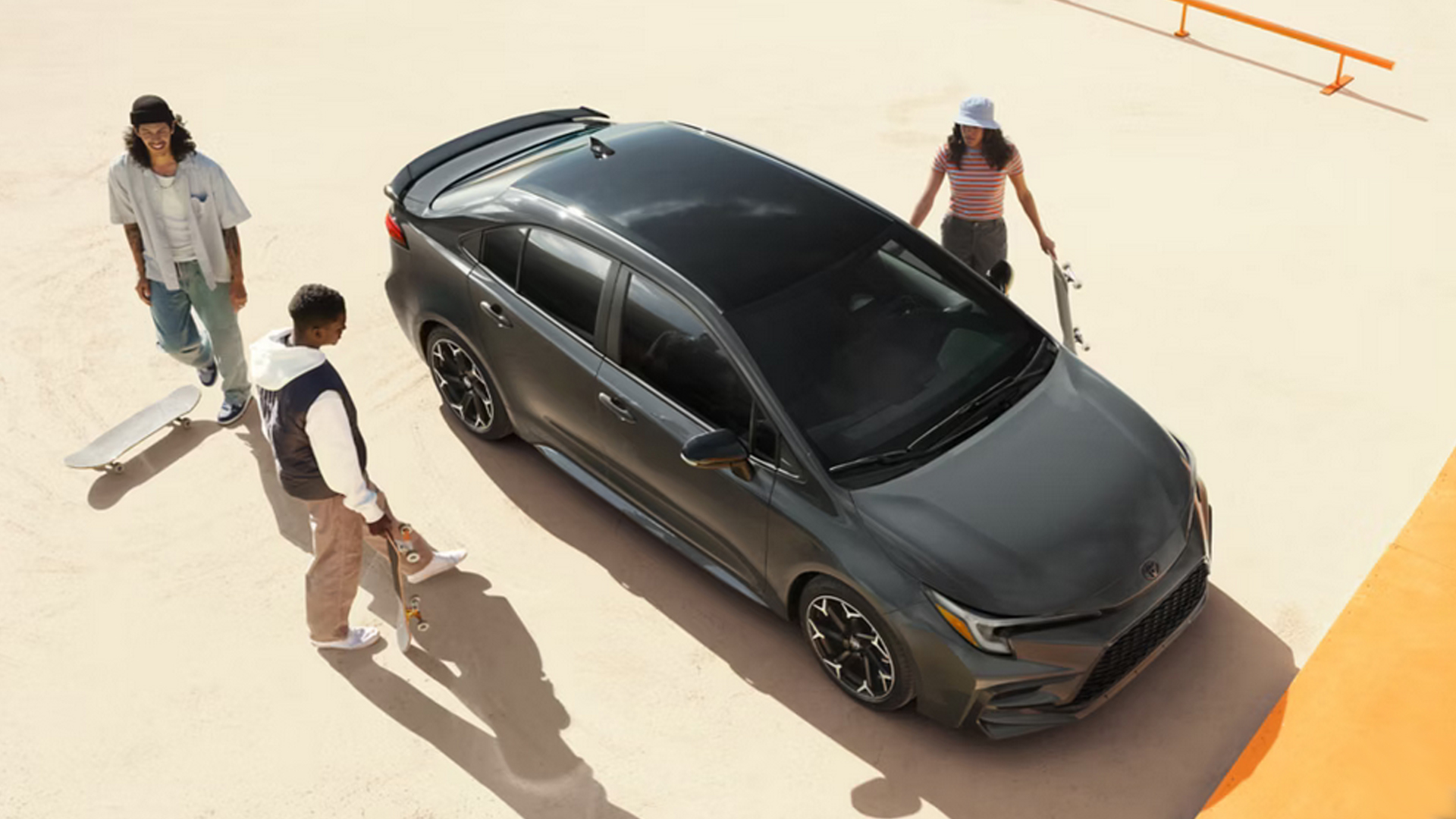
Toyota Corolla
The Toyota Corolla is the best-selling car of all time, with over 44 million units sold globally since its debut in 1966. Known for its reliability, fuel efficiency, and affordability, the Corolla has evolved through twelve generations while maintaining its reputation as a practical, no-nonsense vehicle. Its success is largely due to its adaptability to diverse markets, from North America to Asia, where it has consistently proven to be a dependable transportation choice. The Corolla’s global appeal continues as Toyota has adapted the model to fit modern hybrid and electric technologies, ensuring its relevance for future generations.
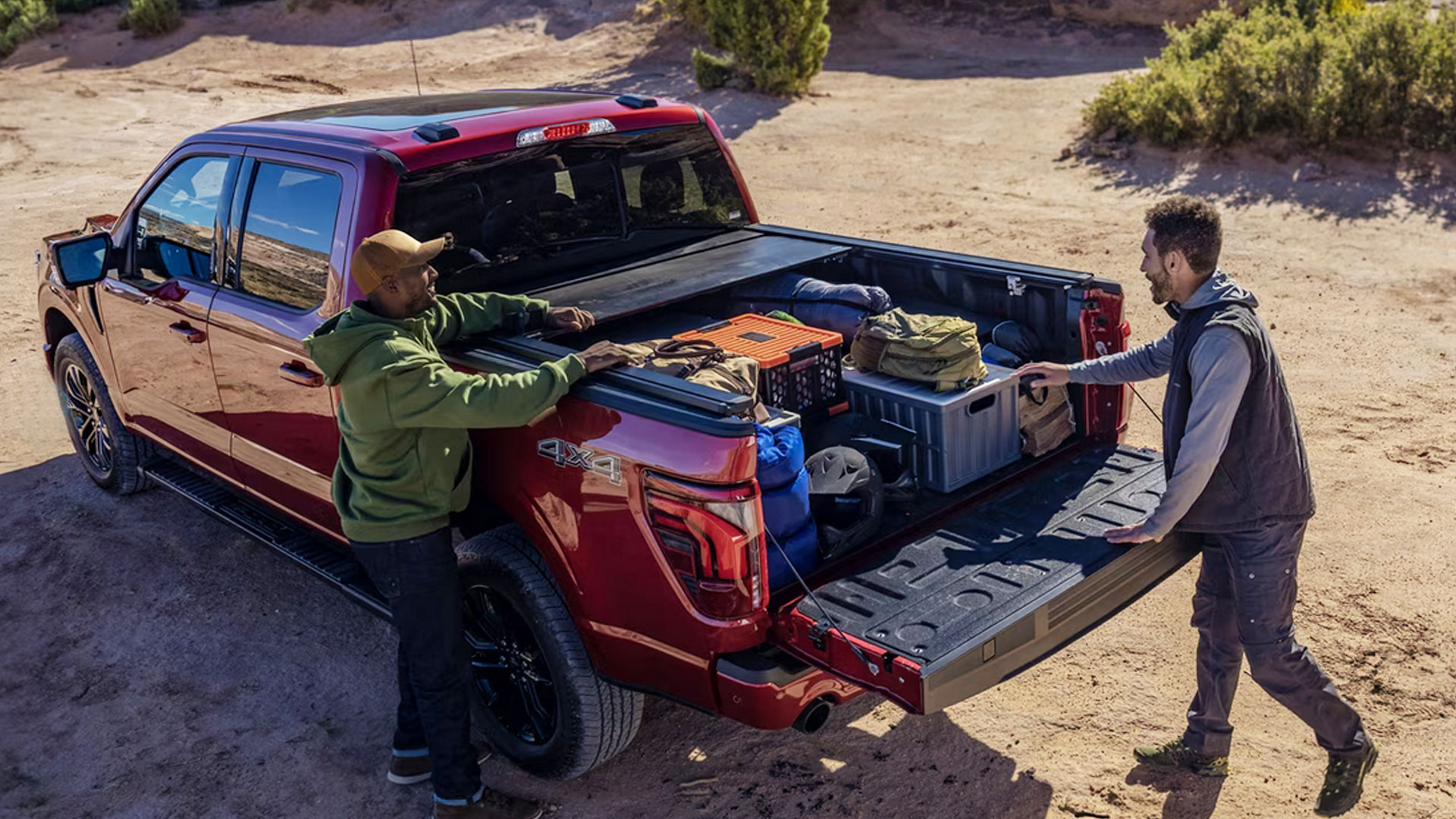
Ford F-150
The Ford F-150 is the undisputed king of trucks in the United States, leading sales charts for over four decades. First introduced in 1948 as part of the Ford F-Series, the F-150 became synonymous with rugged dependable durability, powerful towing capabilities, and an expansive lineup of customizable options. Its combination of workhorse utility and daily drive comfort has made it a favorite among both commercial buyers and individual consumers. The F-150 continues to evolve, with recent models embracing hybrid and electric powertrains to adapt to the growing demand for eco-friendly options.
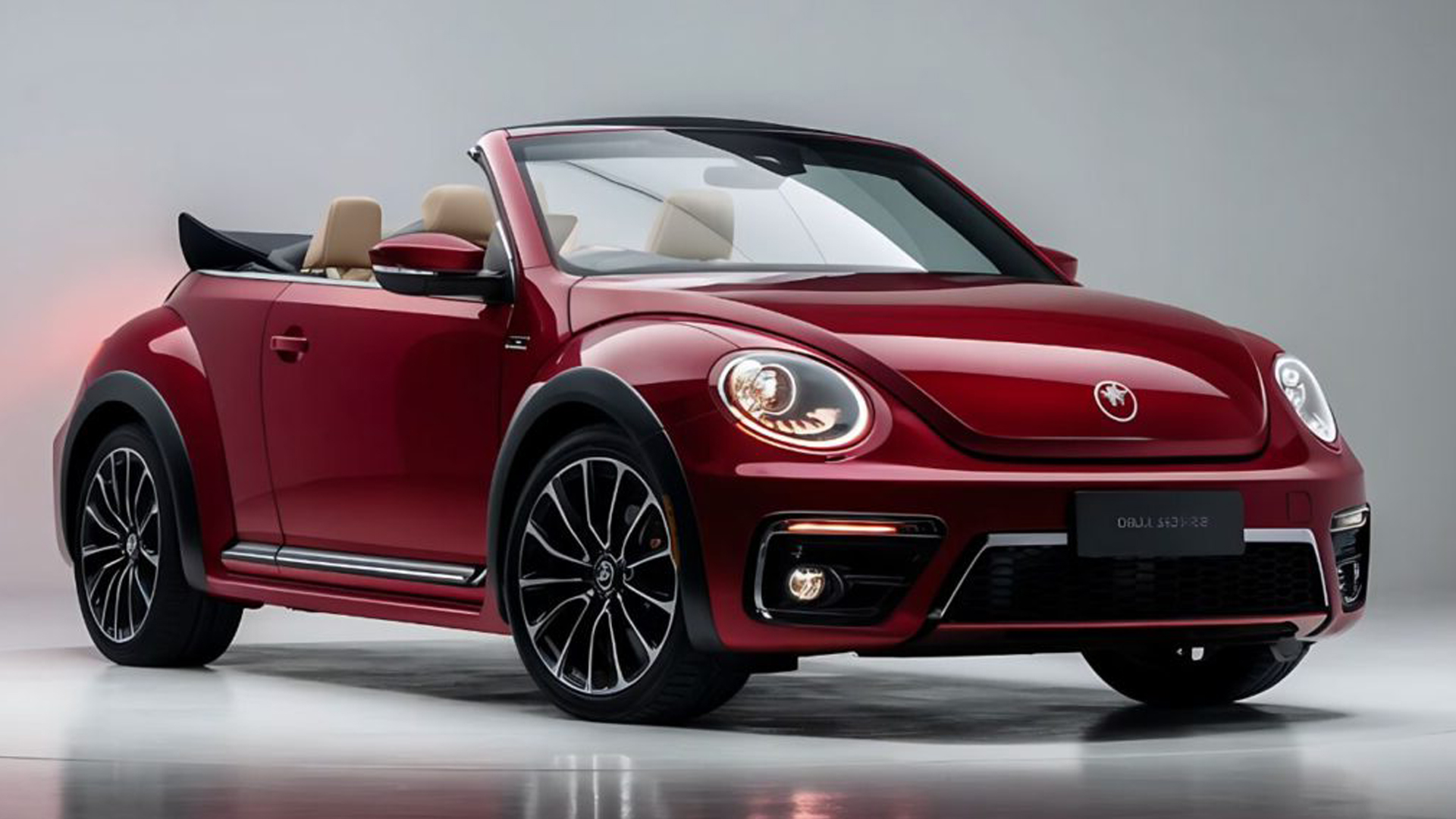
Volkswagen Beetle
Originally designed as a “people’s car” (Volkswagen in German) by Ferdinand Porsche, the Volkswagen Beetle became an automotive icon, especially during the 1960s counterculture movement. With its distinctive rounded shape and simple mechanics, it was affordable, easy to repair, and beloved by generations. Over 21 million units were sold during its original production run from 1938 to 2003. The Beetle’s cultural significance has been cemented through media appearances, most notably in the Herbie film series. Though production has ceased, the Beetle remains one of the most recognizable and beloved vehicles in automotive history.
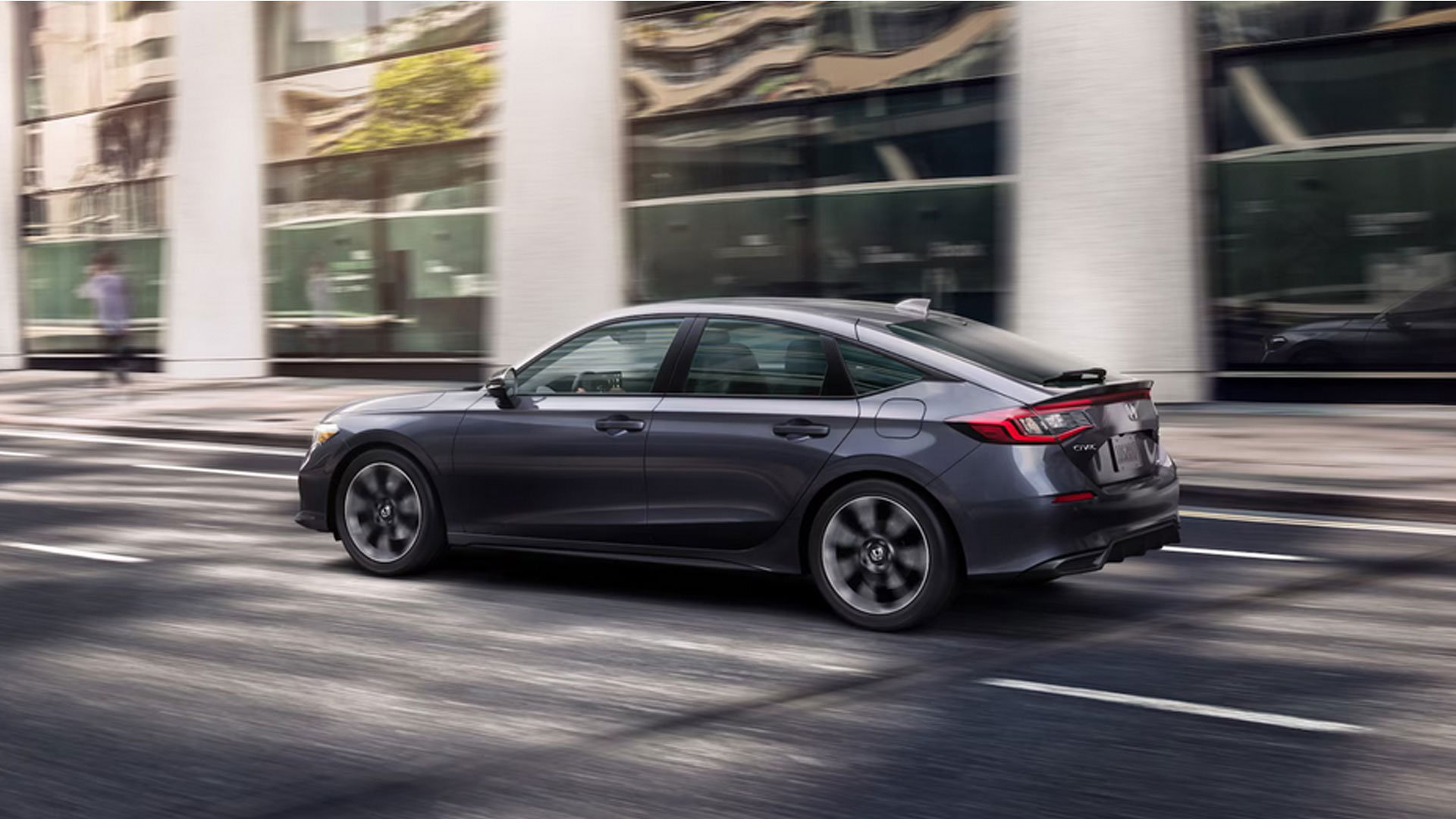
Honda Civic
The Honda Civic has been a symbol of reliability, efficiency, and affordability since it first hit the roads in 1972. It revolutionized the compact car market by offering excellent fuel economy and low maintenance costs, making it a favorite among commuters and first-time car buyers. Over the years, the Civic has evolved into a more performance-oriented and stylish vehicle, especially with its Type R and Si variants, which have gained popularity among car enthusiasts. With over 18 million units sold globally, the Civic continues to dominate markets worldwide as a practical, low maintenance, long-lasting vehicle.
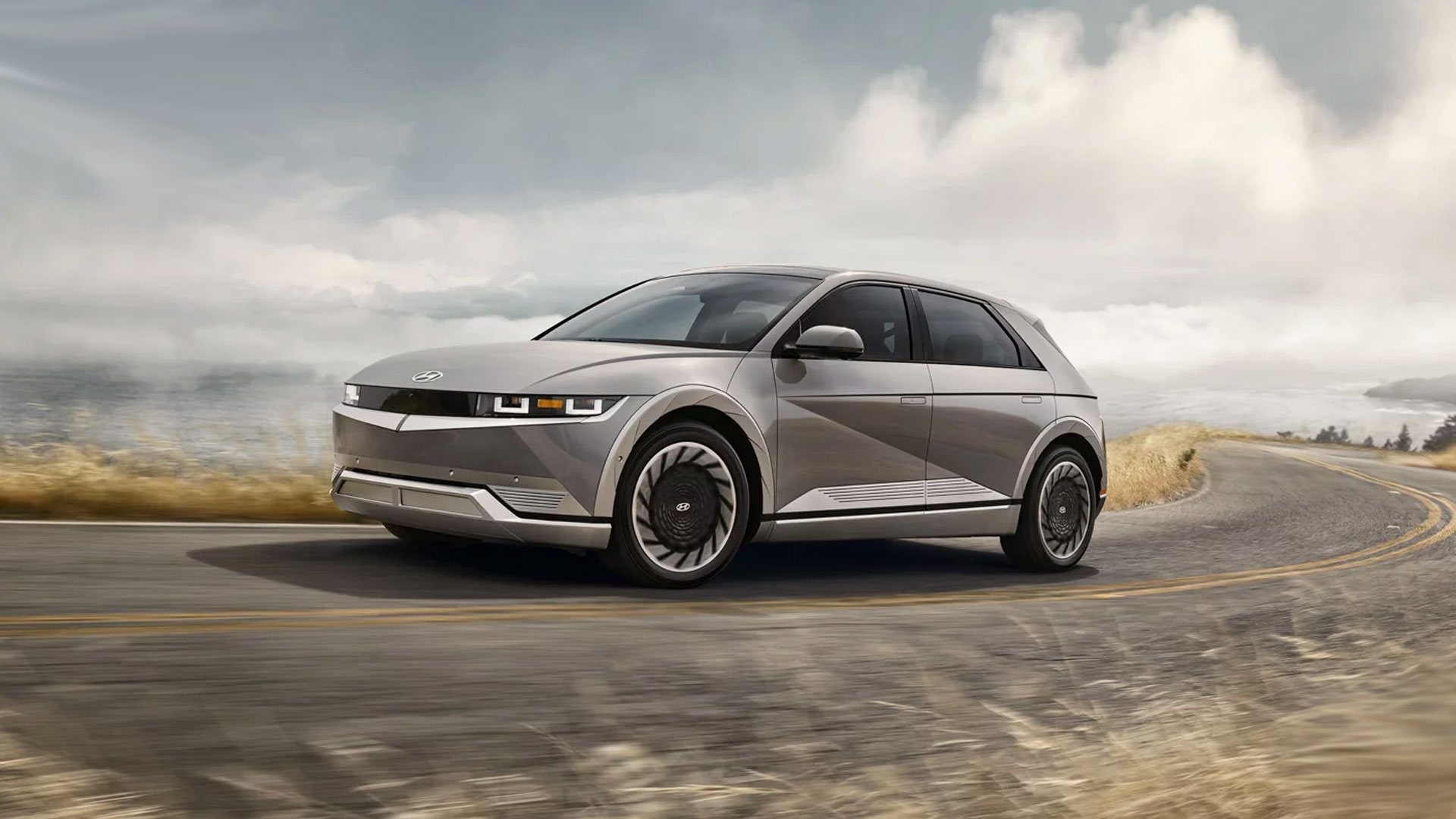
Hyundai Ioniq
The Hyundai Ioniq features advanced electric vehicle (EV) technology, versatility, and impressive performance. This model has garnered attention worldwide for its all-electric powertrain and futuristic design. It features a dual-motor all-wheel-drive option, delivering up to 601 horsepower in the high-performance Ioniq 5 N variant, capable of sprinting from 0–60 mph in just 3.3 seconds. Additionally, the Ioniq 5 offers a range of up to 310+ miles with its 84-kWh battery in Long Range models, making it a strong competitor in the global EV market. With ultra-fast charging capabilities and cutting-edge technology, including wireless Apple CarPlay and over-the-air updates, the Ioniq 5 showcases the future of electric mobility.
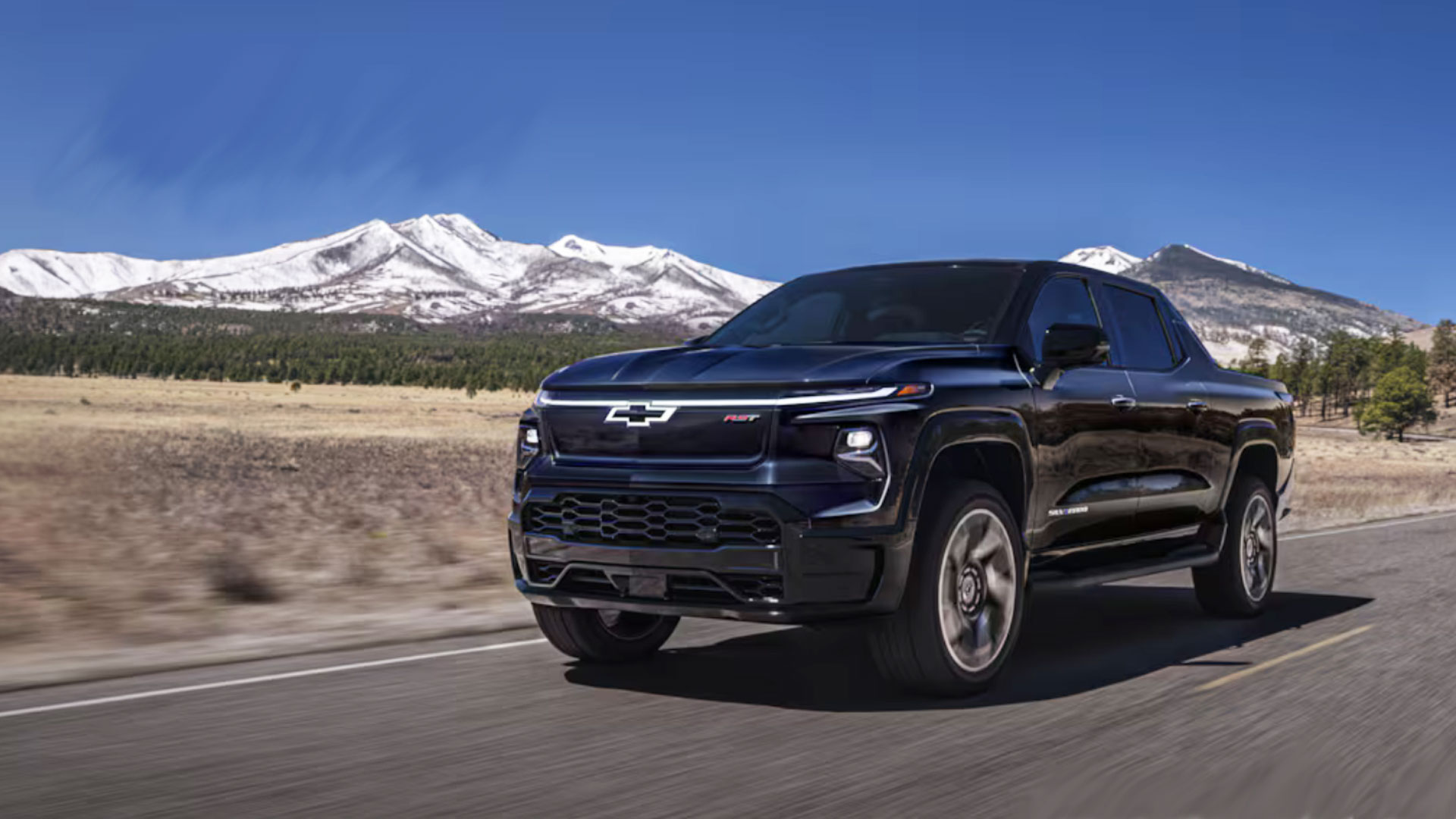
Chevrolet Silverado
Since its introduction in 1999, the Chevrolet Silverado has established itself as one of the most popular full-size pickup trucks in North America, and the strongest competitor to this segment’s leader, the Ford F-150. It offers a range of powerful engines, advanced towing capabilities, and a comfortable interior, making it a top choice for both work and personal use. The Silverado is known for its durability and versatility, with a variety of configurations to suit different needs, from heavy-duty commercial use to family transportation. Over the years, Chevrolet has consistently improved the model, adding advanced technology and electric powertrain options.
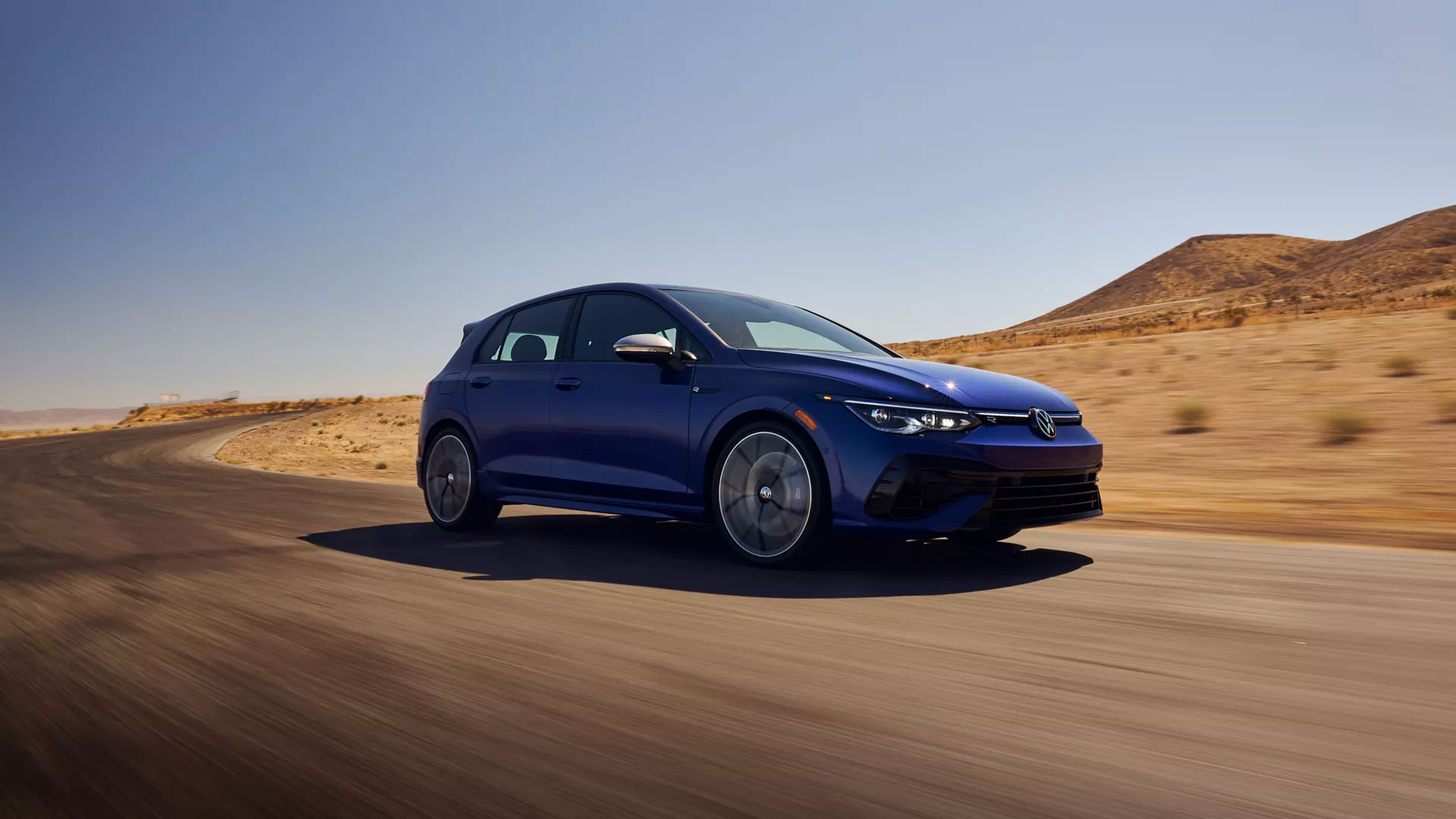
Volkswagen Golf
First introduced in 1974, the Volkswagen Golf became a global hit due to its practical hatchback design, fun driving dynamics, and solid build quality. Known for its versatile interior space and affordability, the Golf became the go-to car for millions of drivers around the world. It has also made a name for itself in the performance market with the GTI and R variants, which have become beloved among car enthusiasts. With over 35 million units sold worldwide, the Golf continues to be a benchmark for compact cars, combining style, performance, and practicality.
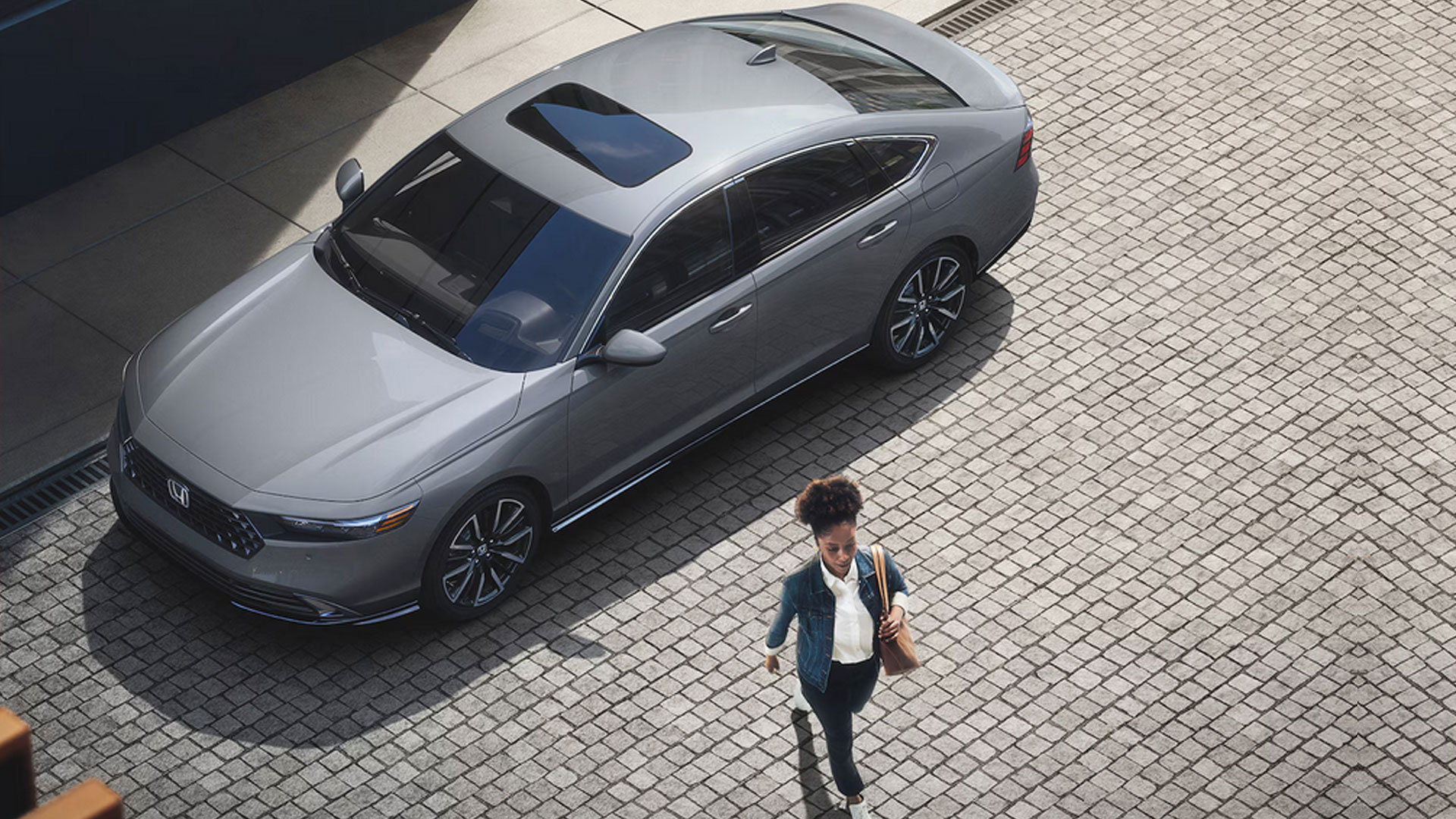
Honda Accord
The Honda Accord has been a staple of the midsize sedan segment since its debut in 1976. Known for its unbeatable combination of reliability, fuel efficiency, and comfort, the Accord has won numerous awards over its lifetime and remains one of the best-selling cars in the U.S. and globally. The Accord’s reputation for durability makes it a favorite among families and commuters alike, while its more recent hybrid models have ensured its relevance in the age of fuel efficiency. Over 18 million units have been sold worldwide, making it one of Honda’s most successful models.
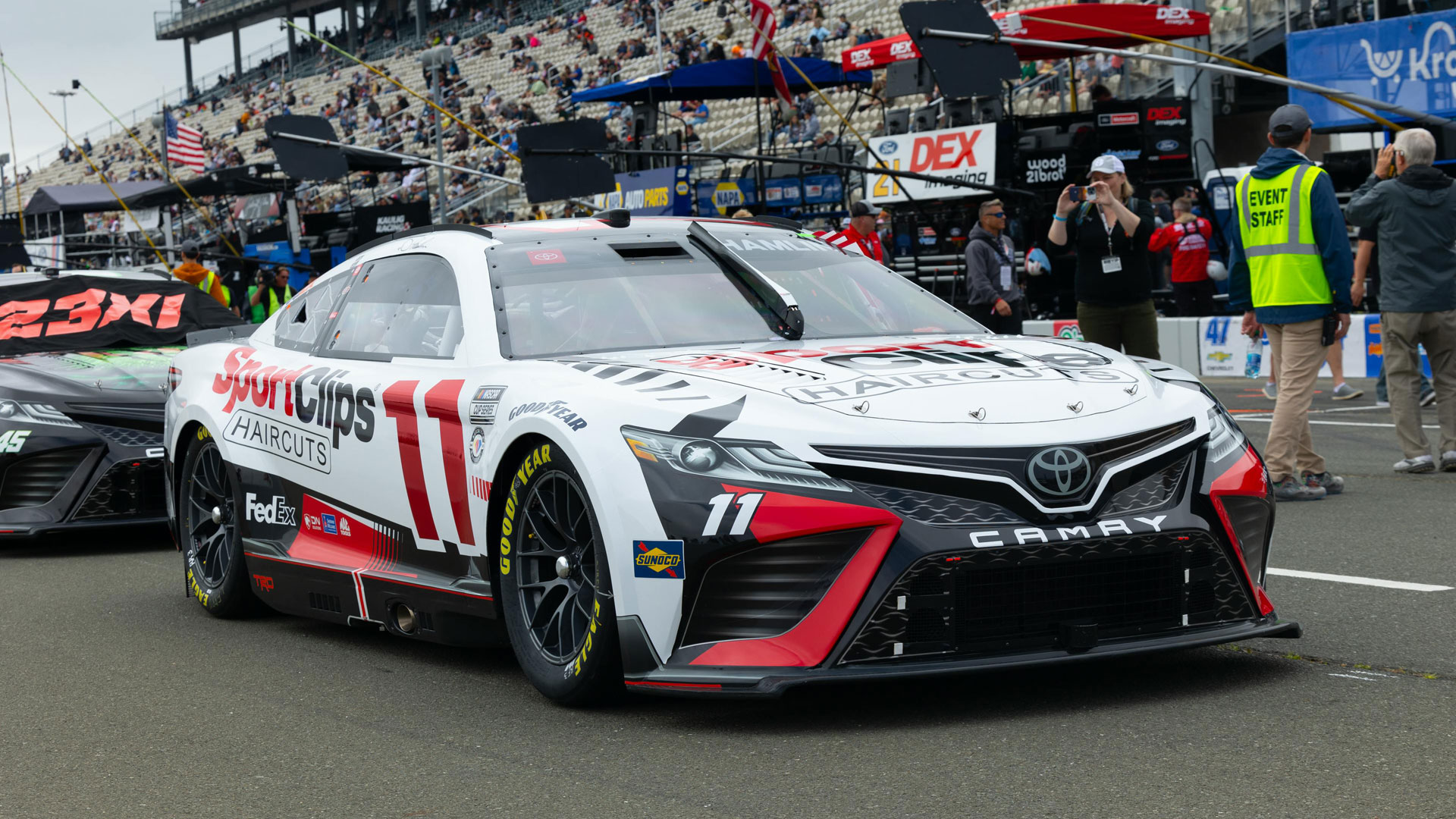
Toyota Camry
Introduced in 1982, the Toyota Camry quickly became a favorite for its smooth ride, fuel efficiency, and bulletproof reliability. It consistently ranks among the best-selling cars in the United States, a position it has held for years. With a spacious interior, advanced safety features, and a comfortable driving experience, the Camry appeals to a broad audience, from young professionals to families. Toyota’s continuous improvements, including hybrid variants, have kept the Camry competitive in an evolving automotive market, with over 19 million units sold worldwide.
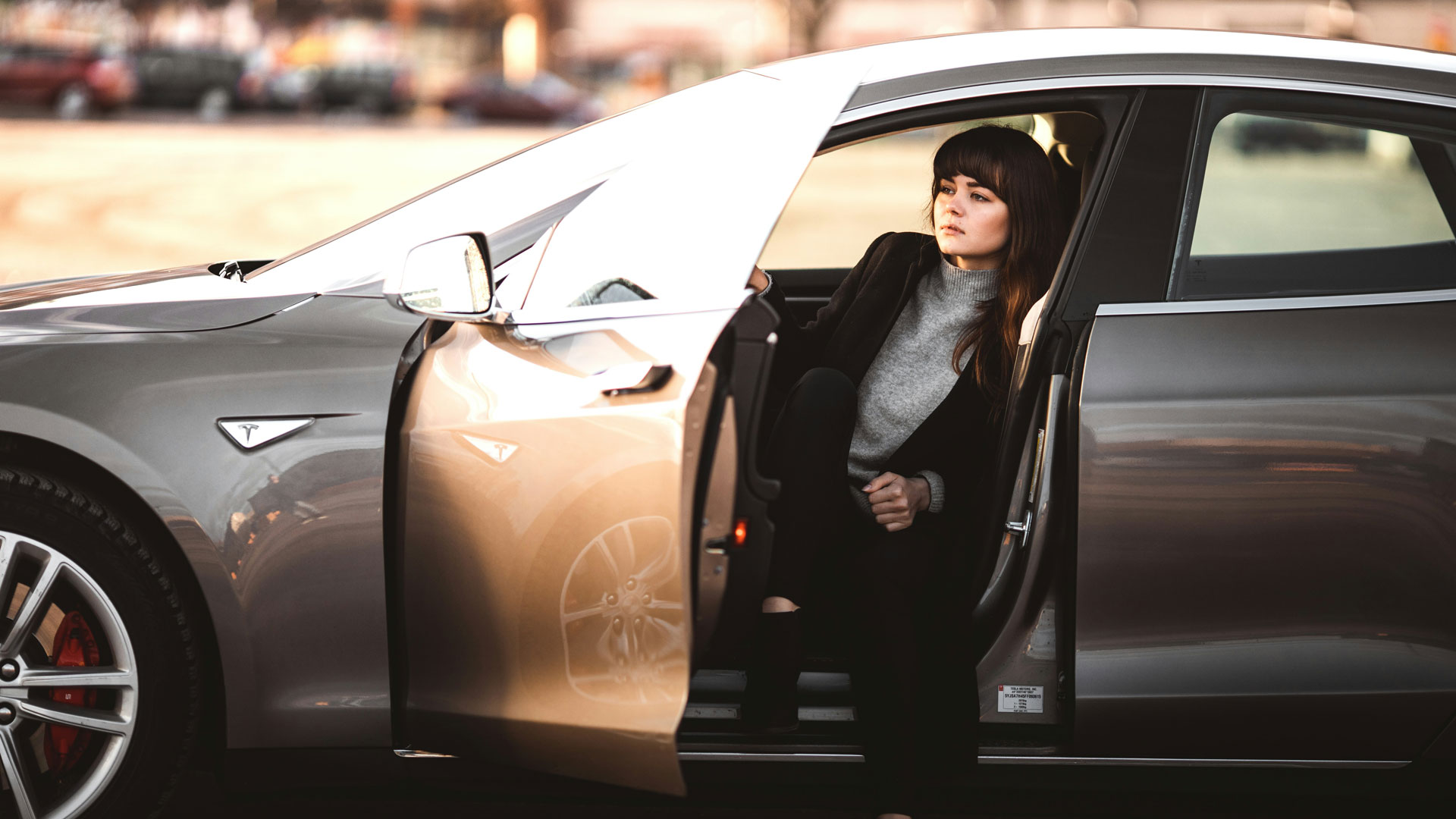
Tesla Model S
Launched in 2012, the Tesla Model S revolutionized the electric vehicle (EV) market. With its long-range battery, impressive acceleration, and cutting-edge technology, the Model S proved that electric cars could compete with, and even surpass, traditional gasoline-powered vehicles in terms of performance. Tesla’s Autopilot system and over-the-air software updates were game-changers in the automotive industry, setting new standards for tech integration. The Model S is credited with doing more than any single competitor in sparking the mainstream adoption of electric cars. Its influence on other manufacturers to pivot toward more EV production continues.
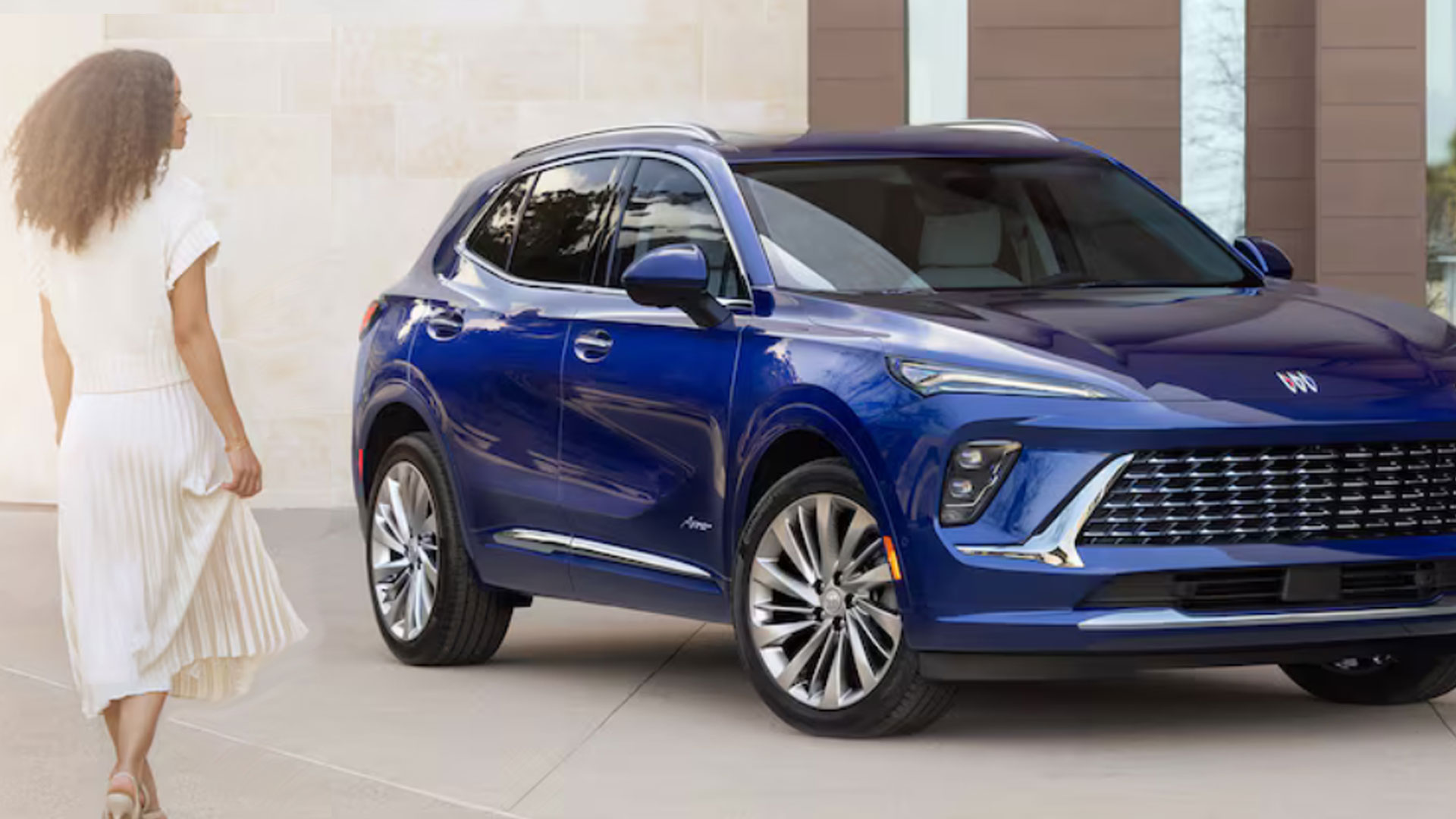
Buick Envision
A luxury compact SUV that offers a sleek design, advanced technology, and impressive performance. Powered by a 2.0L turbocharged inline-4 engine, it delivers 228 horsepower with a smooth 9-speed automatic transmission. The Envision provides excellent fuel efficiency, reaching 24 mpg city and 31 mpg highway. Inside, it boasts a 10.2-inch infotainment system with Apple CarPlay, Android Auto, and Amazon Alexa integration. Safety is a top priority with features like automatic emergency braking, blind-spot monitoring, and rear cross-traffic alert, making it a well-rounded choice in the luxury compact SUV segment.
Performance Legends
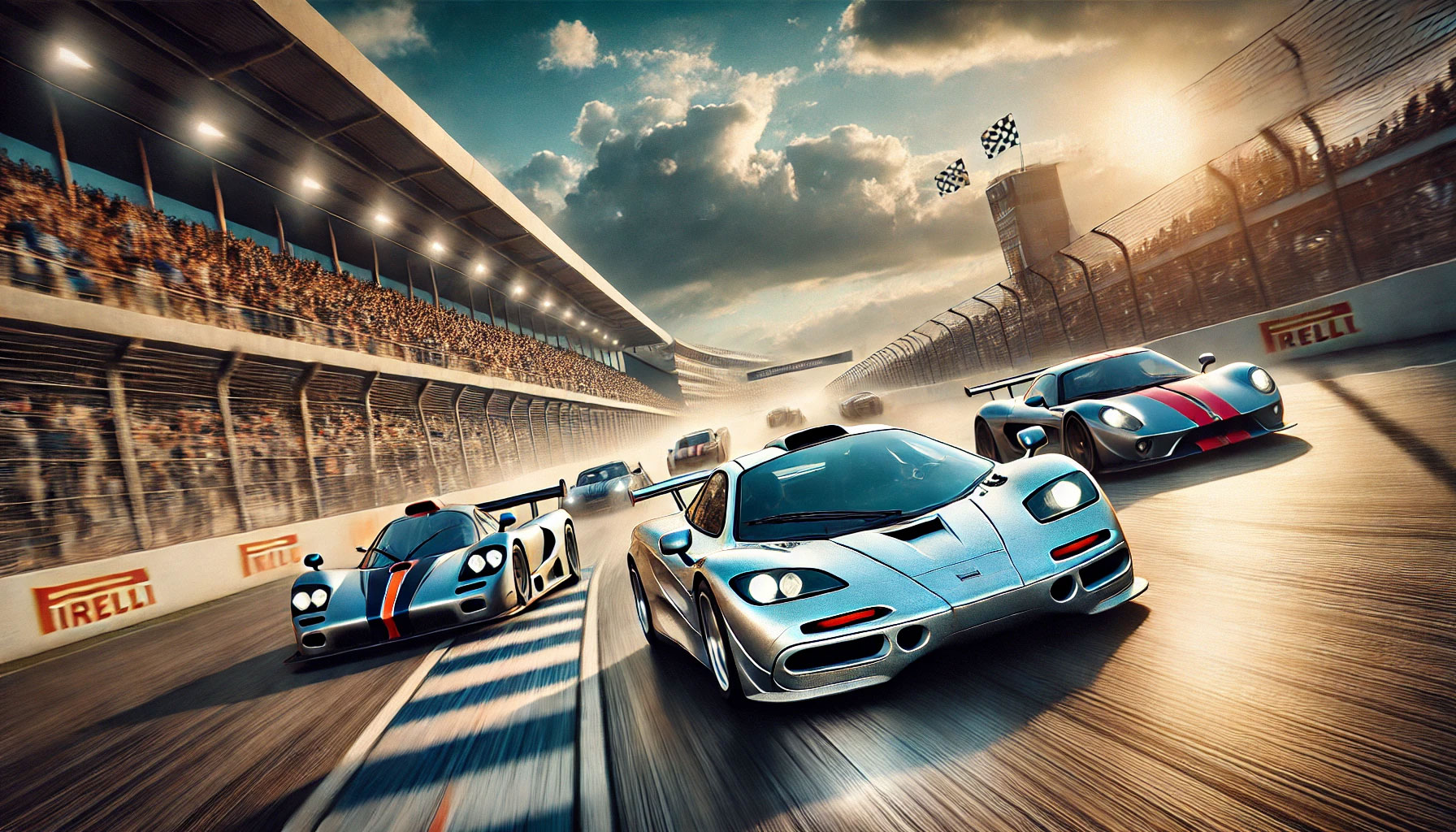
Performance vehicles represent more than speed—they embody passion, engineering excellence, and the relentless pursuit of driving perfection. These machines have shaped automotive culture, redefined what cars can do, and inspired generations of enthusiasts. From racetracks to winding mountain roads and city boulevards, each model in this category stands as a testament to power, precision, and innovation.
This collection features automotive icons that have earned legendary status through design, engineering breakthroughs, and cultural impact. The Porsche 911 has evolved for over fifty years, blending unmistakable style with track-bred performance. The Chevrolet Corvette and Chevrolet Camaro represent American muscle and sports-car heritage, while the Ford Mustang and Dodge Charger ignited horsepower rivalries that shaped car culture. Europe contributed masterpieces—the Ferrari 250 GTO, among the most coveted cars ever built; the Lamborghini Miura, often called the world’s first supercar; and the BMW 3 Series, benchmark for sport-luxury sedans. Japan advanced modern performance with the Nissan GT-R and delighted purists with the lightweight, balanced Mazda MX-5 Miata.
These vehicles are more than transportation—they are expressions of engineering artistry and emotional connection. Below, explore the icons that changed the way the world drives, accelerates, and dreams.
Porsche 911
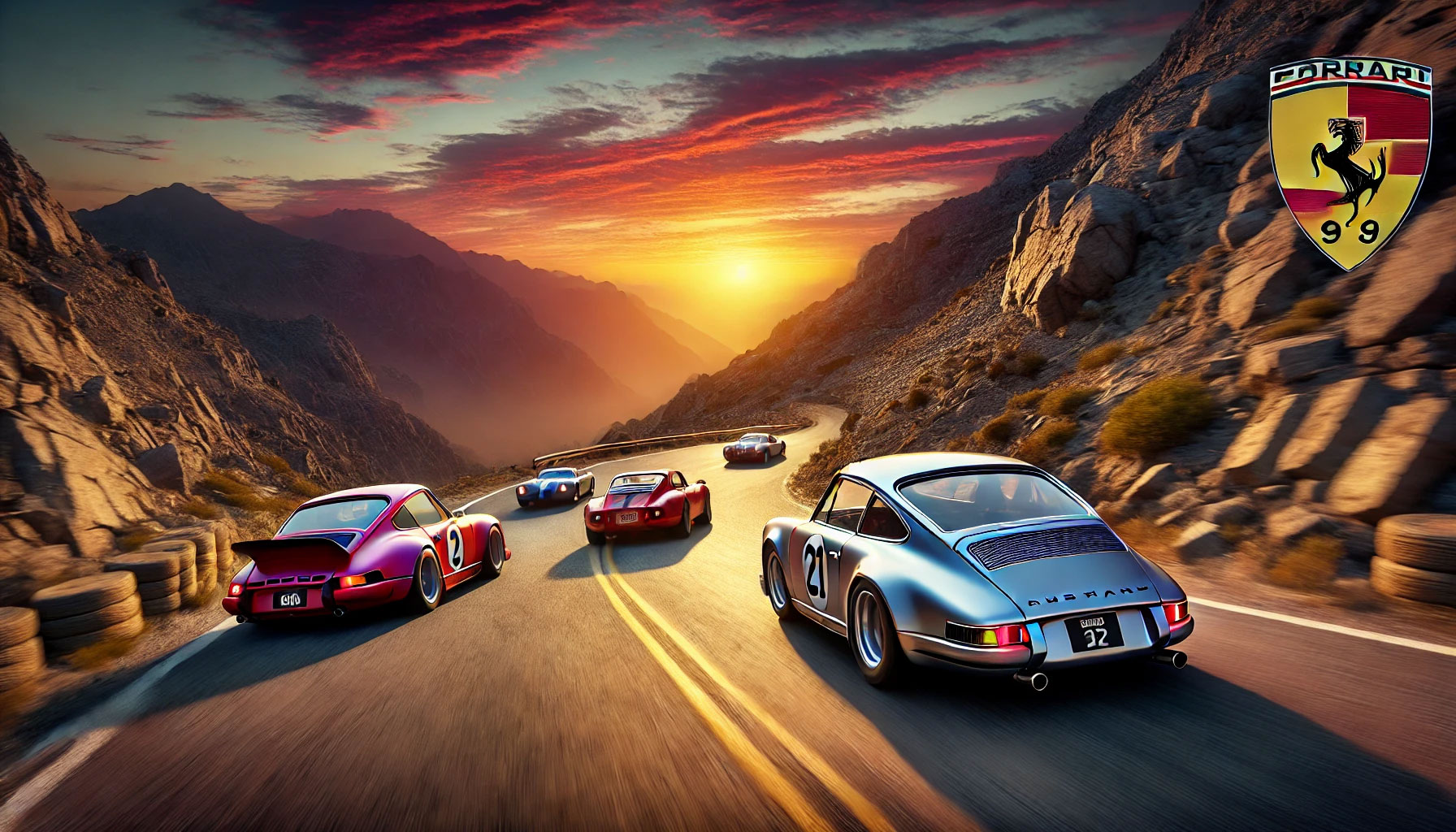
The Porsche 911, introduced in 1964, is one of the most iconic and enduring sports cars ever made. Known for its distinctive rear-engine layout and timeless design, the 911 has evolved over eight generations without losing its essence. Revered for its agility, precision handling, and powerful performance, the 911 has become synonymous with driving pleasure and has won numerous races, including at Le Mans and in rally competitions. With various models ranging from the Carrera to the high-performance Turbo and GT3, the 911 remains a benchmark in the sports car world.
Chevrolet Corvette
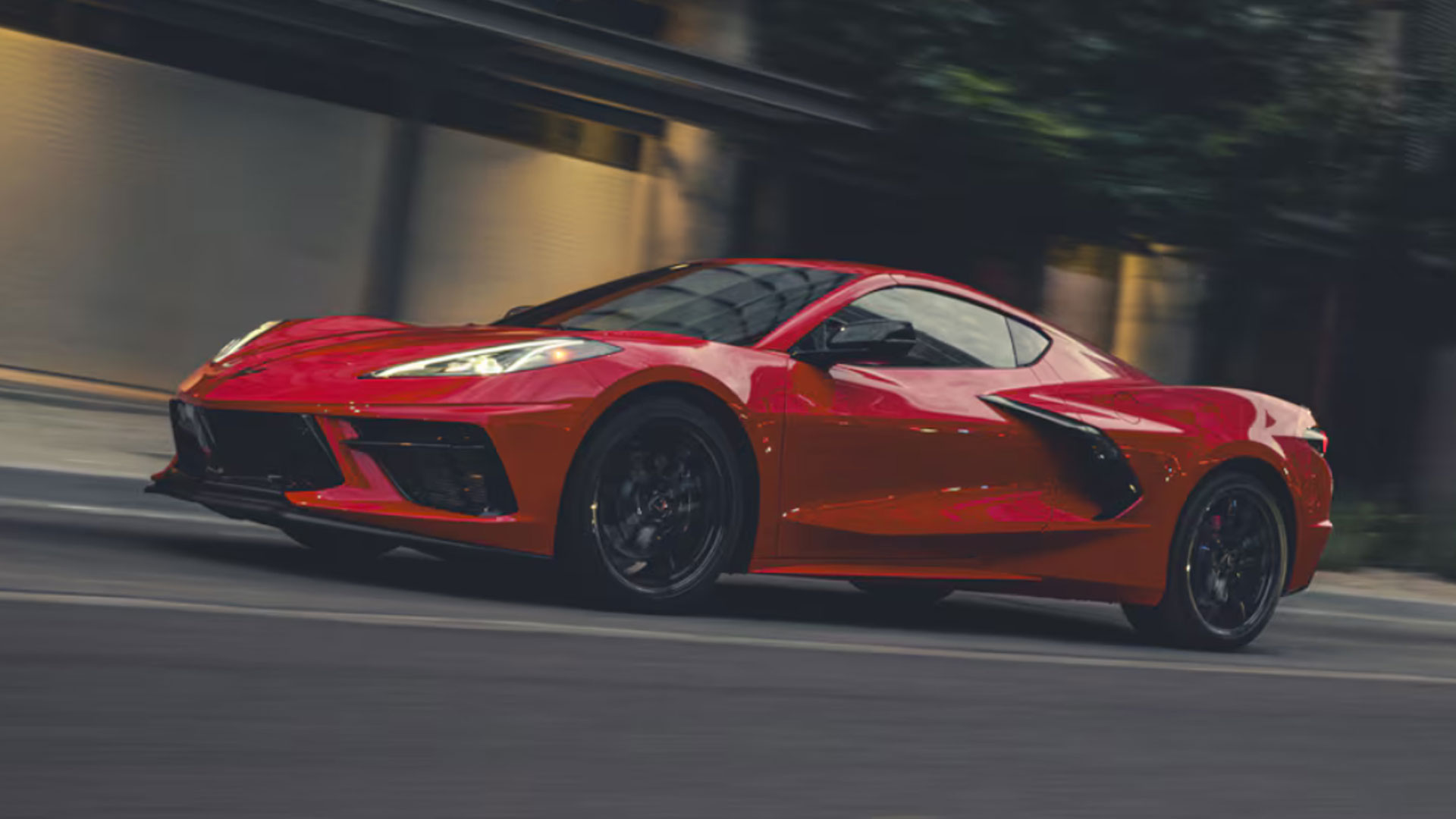
Since its debut in 1953, the Chevrolet Corvette has become an American automotive icon, symbolizing high performance, speed, and sleek design. Known as “America’s Sports Car,” the Corvette has continually evolved, with each generation pushing the limits of technology and performance. The introduction of the mid-engine C8 in 2020 marked a significant leap in its evolution, bringing supercar-level performance to a wider audience. The Corvette’s rich racing heritage and its blend of affordability with exotic car performance have made it a favorite among car enthusiasts.
Ferrari 250 GTO
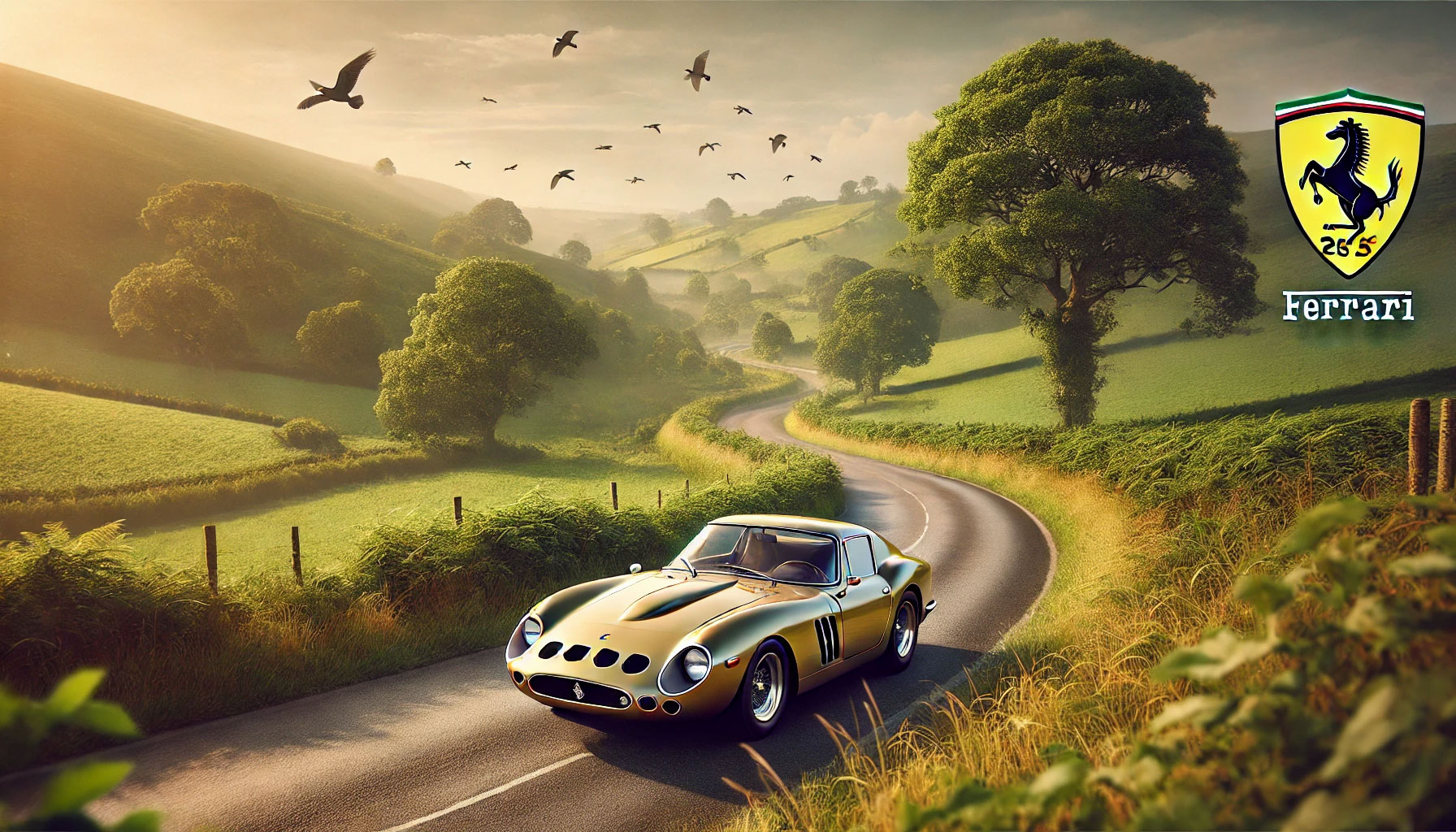
The Ferrari 250 GTO is one of the most coveted and valuable cars in automotive history, with its rarity and performance placing it in a class of its own. Produced between 1962 and 1964, only 36 units were made, each meticulously designed for racing. Powered by a V12 engine, the 250 GTO dominated motorsport competitions during its era, including wins at the 24 Hours of Le Mans. Its combination of aesthetic beauty, engineering excellence, and racing pedigree has made it one of the most sought-after classic cars, with auction prices reaching upwards of $70 million.
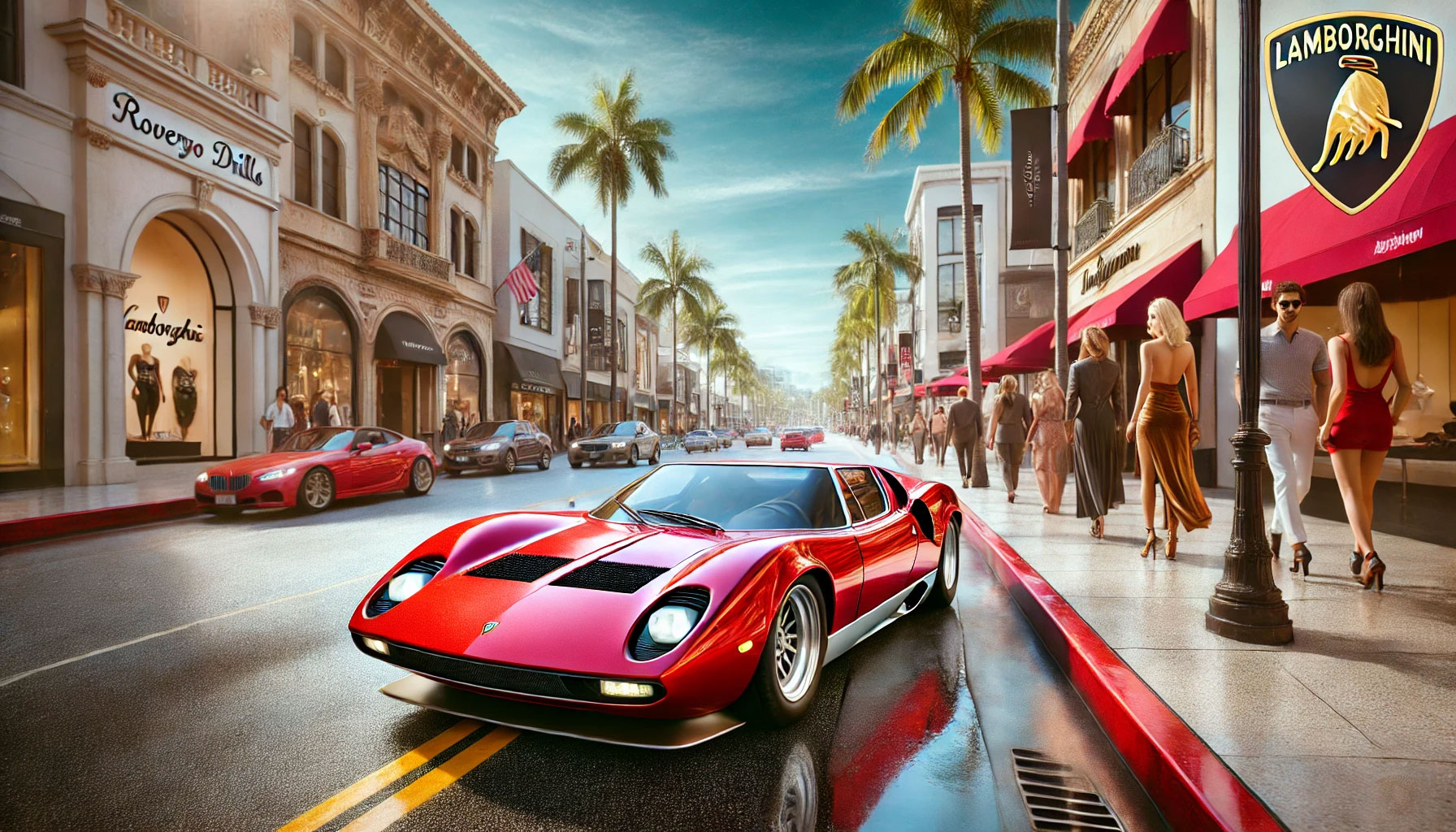
Lamborghini Miura
Introduced in 1966, the Lamborghini Miura is widely regarded as the world’s first supercar, thanks to its groundbreaking mid-engine layout and jaw-dropping design. Designed by Marcello Gandini, the Miura’s sleek, low-slung body and powerful V12 engine set new standards for automotive performance and style. Its introduction revolutionized the sports car market, paving the way for future supercars. The Miura is considered one of the most beautiful cars ever built and solidified Lamborghini’s reputation as a manufacturer of extreme, exotic performance vehicles.
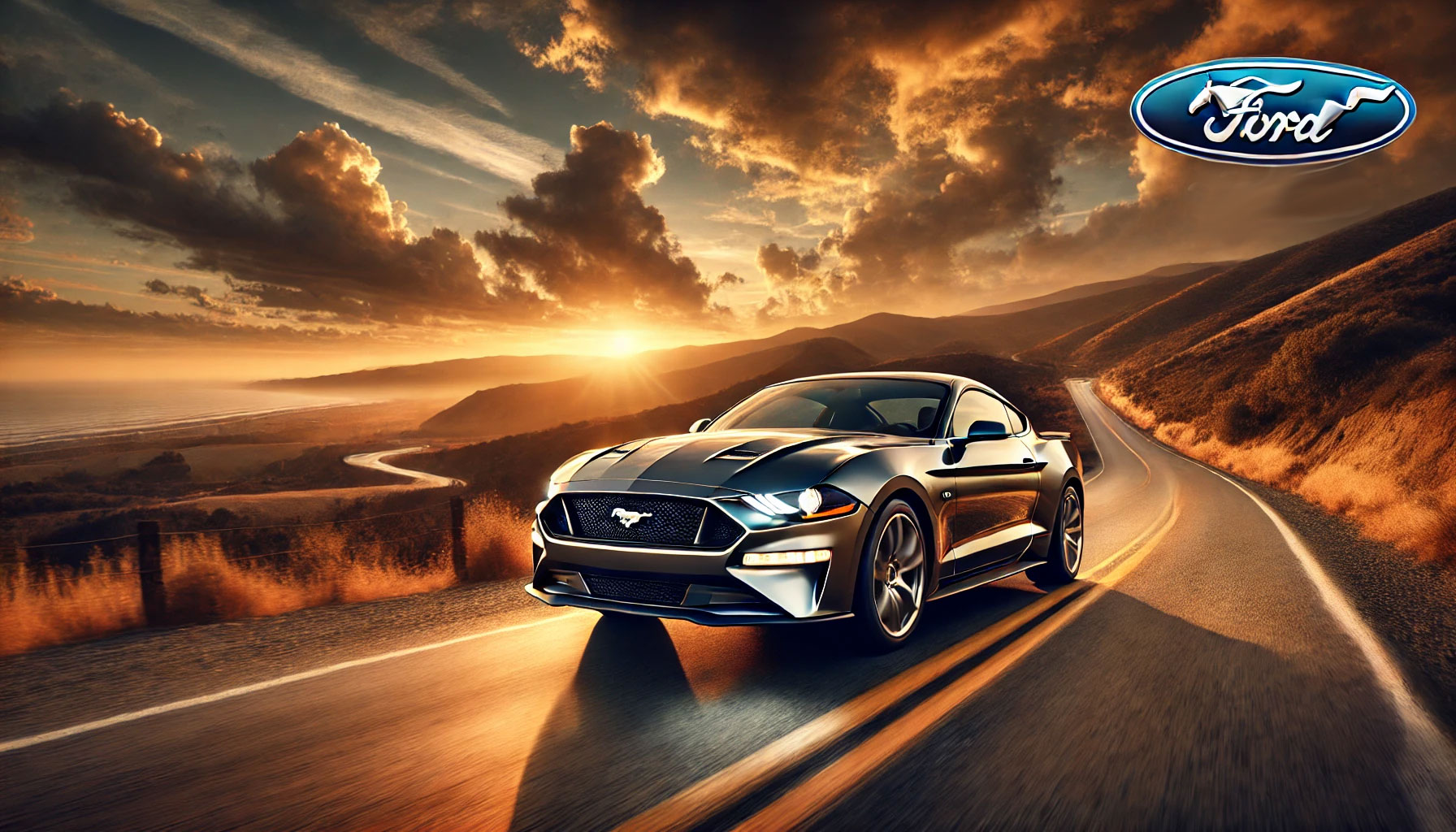
Ford Mustang
The Ford Mustang, first introduced in 1964, became the face of the American muscle car. With its affordable price and powerful V8 engine options, the Mustang quickly became a symbol of freedom and performance. Over the years, the Mustang has evolved through multiple generations, continuously appealing to enthusiasts with its raw power, sleek design, and exhilarating driving experience. Its cultural significance was amplified through appearances in films like Bullitt. Today, the Mustang remains one of the most recognized and beloved cars, with performance versions like the Shelby GT350 and GT500 pushing its legacy forward.
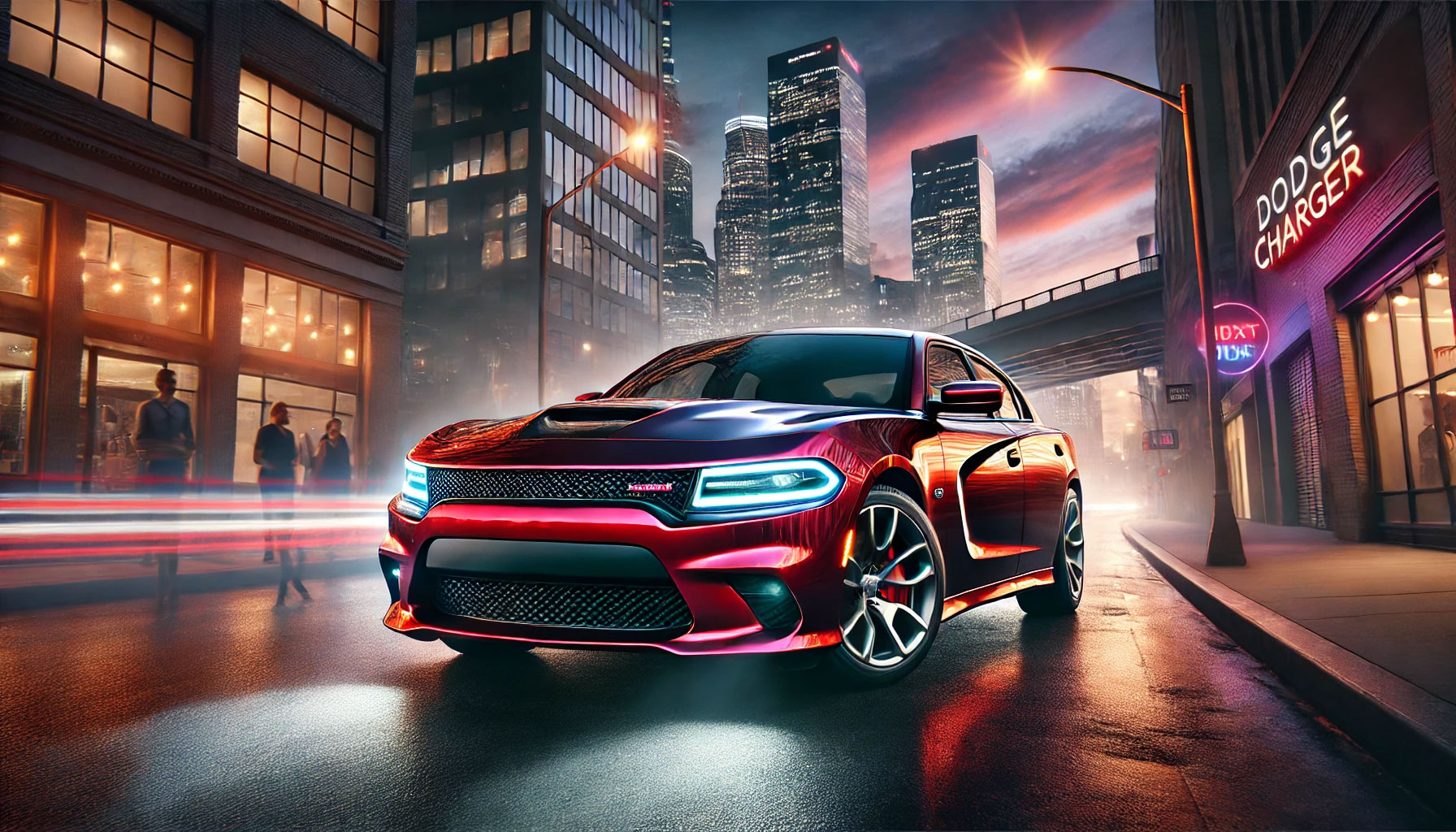
Dodge Charger
The Dodge Charger is an iconic American muscle car that gained fame in the late 1960s and early 1970s with its aggressive styling and powerful V8 engines. Particularly known for its role in the 1969 television series The Dukes of Hazzard, the Charger became a cultural icon. Its performance credentials were further solidified through its participation in NASCAR and drag racing. In more recent years, the Charger has been reimagined as a modern muscle car, blending retro styling with modern performance, including high-powered variants like the Hellcat and SRT models.
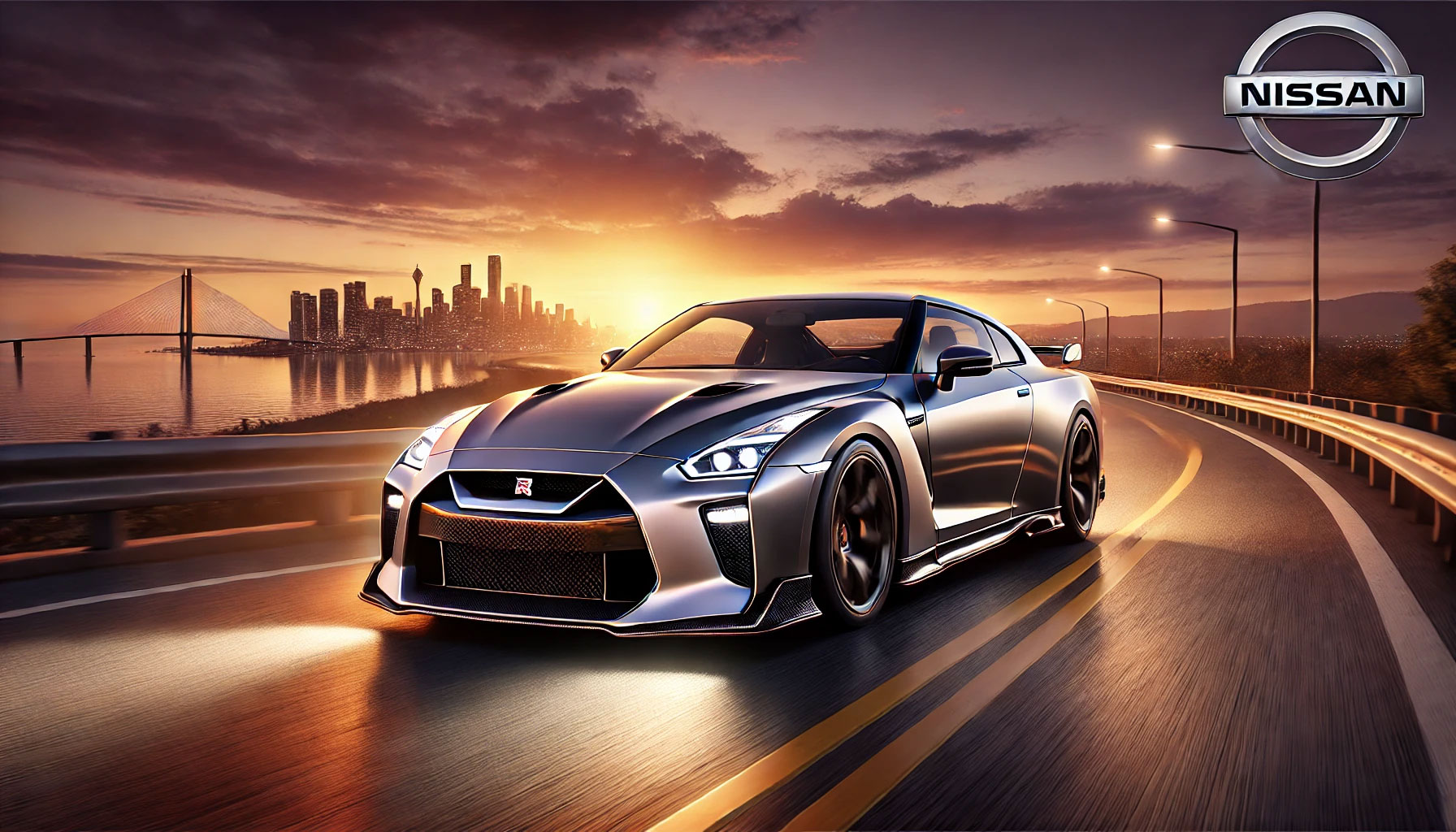
Nissan GT-R
Nicknamed “Godzilla,” the Nissan GT-R has been a performance legend since its introduction in 2007. Its advanced all-wheel-drive system, twin-turbo V6 engine, and cutting-edge technology have made it a giant killer, often outperforming more expensive supercars in terms of speed and handling. The GT-R’s track performance and ability to deliver mind-blowing acceleration have earned it a cult following among car enthusiasts. Nissan’s continuous improvements to the GT-R, with enhancements to its aerodynamics, suspension, and engine, have ensured its status as a true modern performance icon.
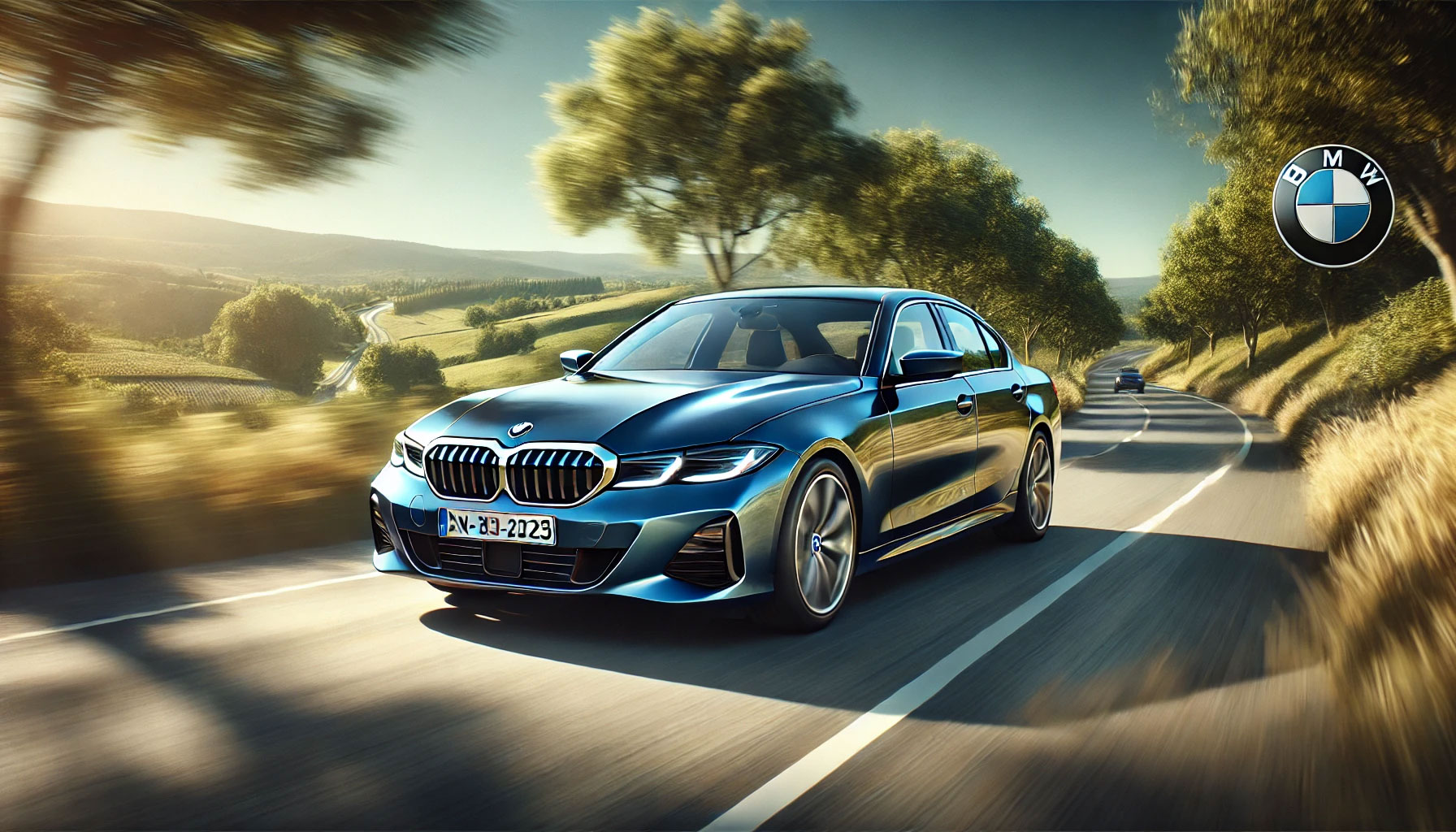
BMW 3 Series
The BMW 3 Series, first introduced in 1975, is renowned for delivering the perfect blend of luxury, performance, and driving dynamics in the compact executive car segment. Available in various body styles over the years, including sedan, coupe, and convertible, the 3 Series has been a favorite among car enthusiasts who appreciate its balance of comfort and sportiness. The M3 performance variant, in particular, has become an automotive legend, known for its precision handling and track-ready capabilities. The 3 Series continues to set the benchmark in its class for performance-oriented driving.
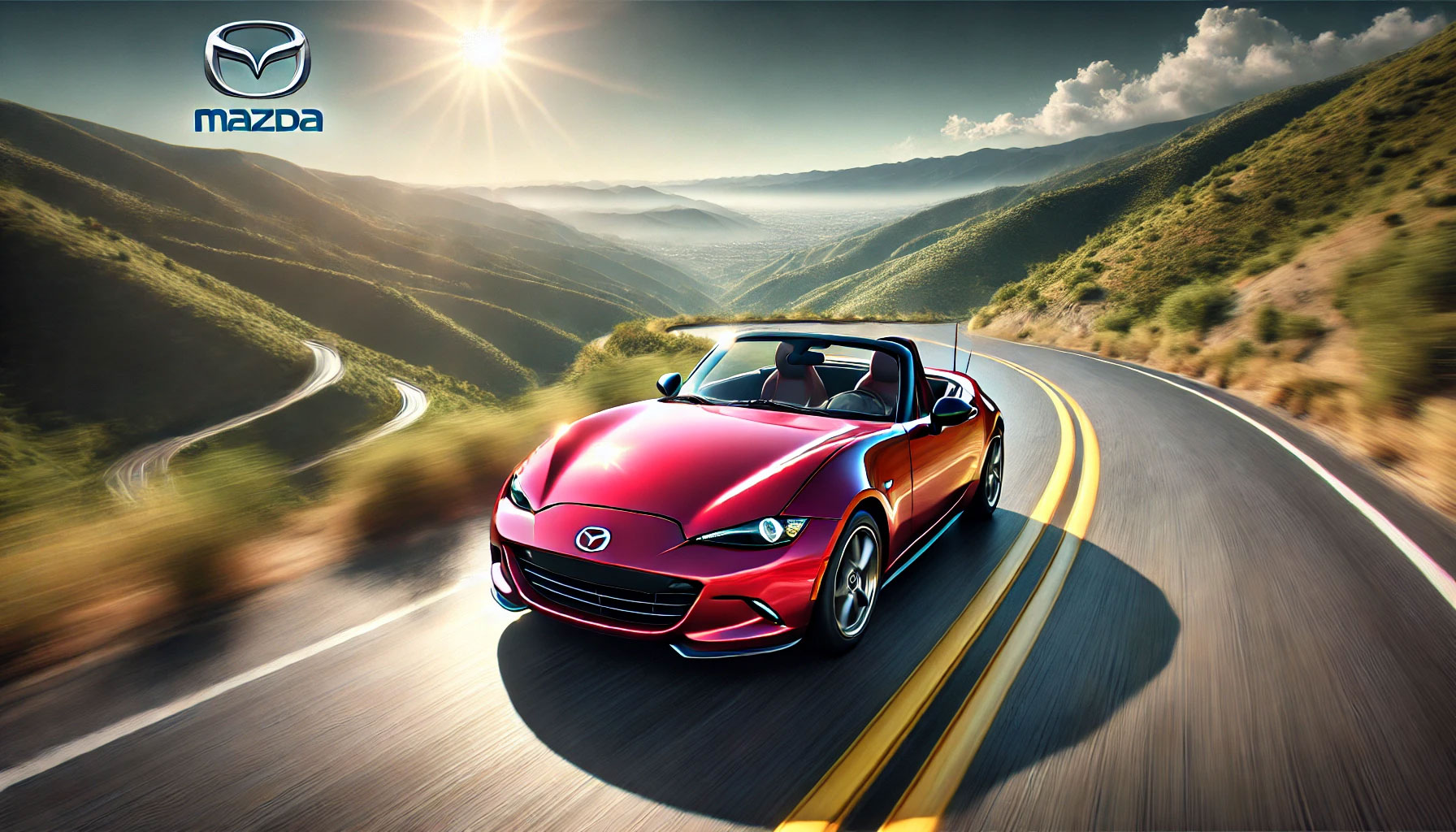
Mazda MX-5 Miata
The Mazda MX-5 Miata is the world’s best-selling roadster, and for good reason. Since its debut in 1989, the Miata has captured the hearts of driving enthusiasts with its lightweight design, rear-wheel-drive layout, and focus on pure driving pleasure. The Miata is known for its affordability and fun factor, offering an engaging driving experience without the need for extreme horsepower. With its classic roadster proportions and balanced handling, the Miata remains a beloved sports car and has cultivated a loyal global following over four generations.
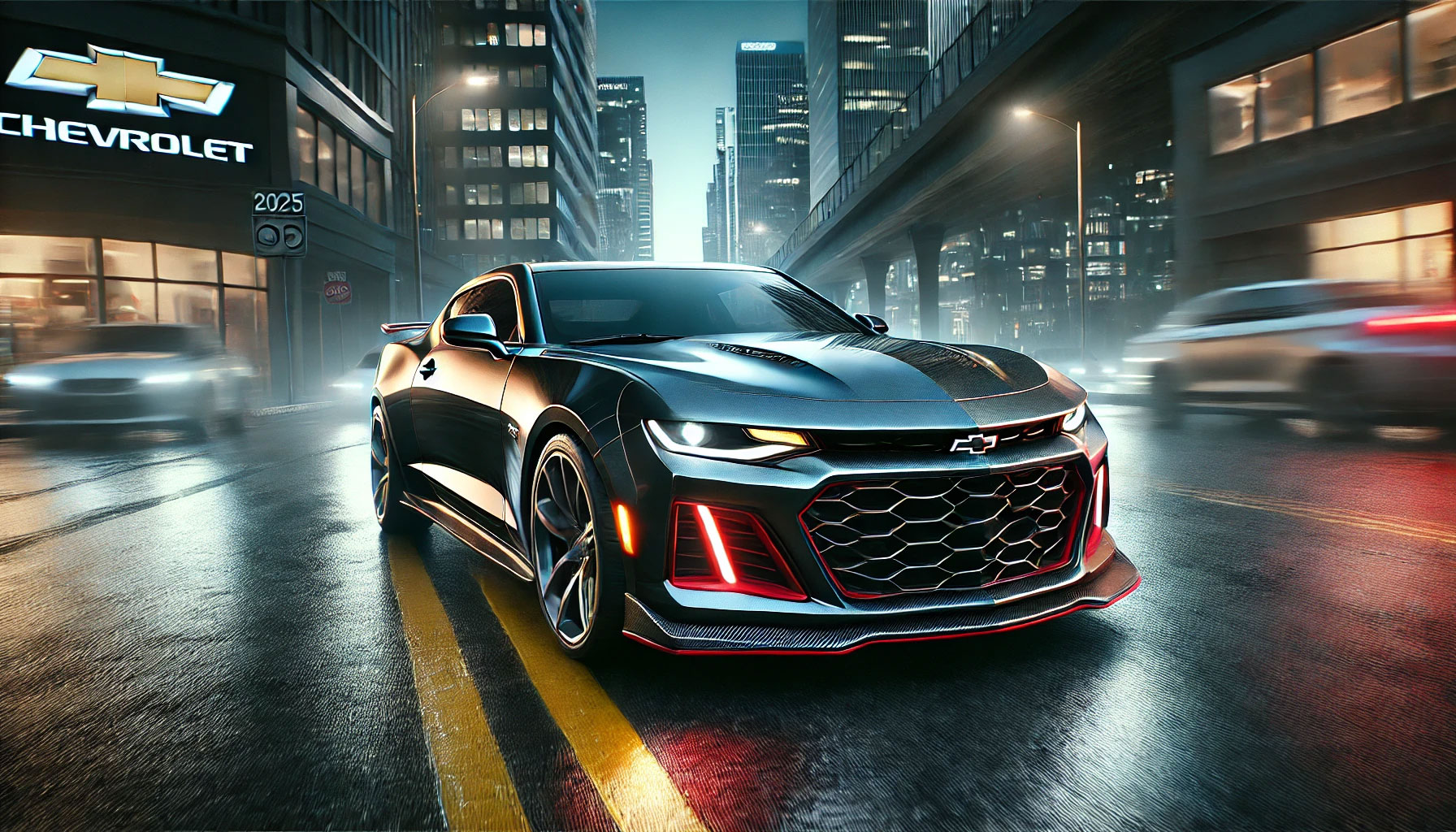
Chevrolet Camaro
The Chevrolet Camaro, introduced in 1966, was GM’s answer to the Ford Mustang and became a cornerstone of the American muscle car era. Known for its powerful engines, aggressive styling, and strong performance credentials, the Camaro has become a symbol of American automotive prowess. Throughout its history, the Camaro has delivered a blend of power and handling that appeals to both drag racing enthusiasts and casual drivers. High-performance variants like the ZL1 and SS models have pushed the Camaro into supercar territory, ensuring its place as a true performance legend.
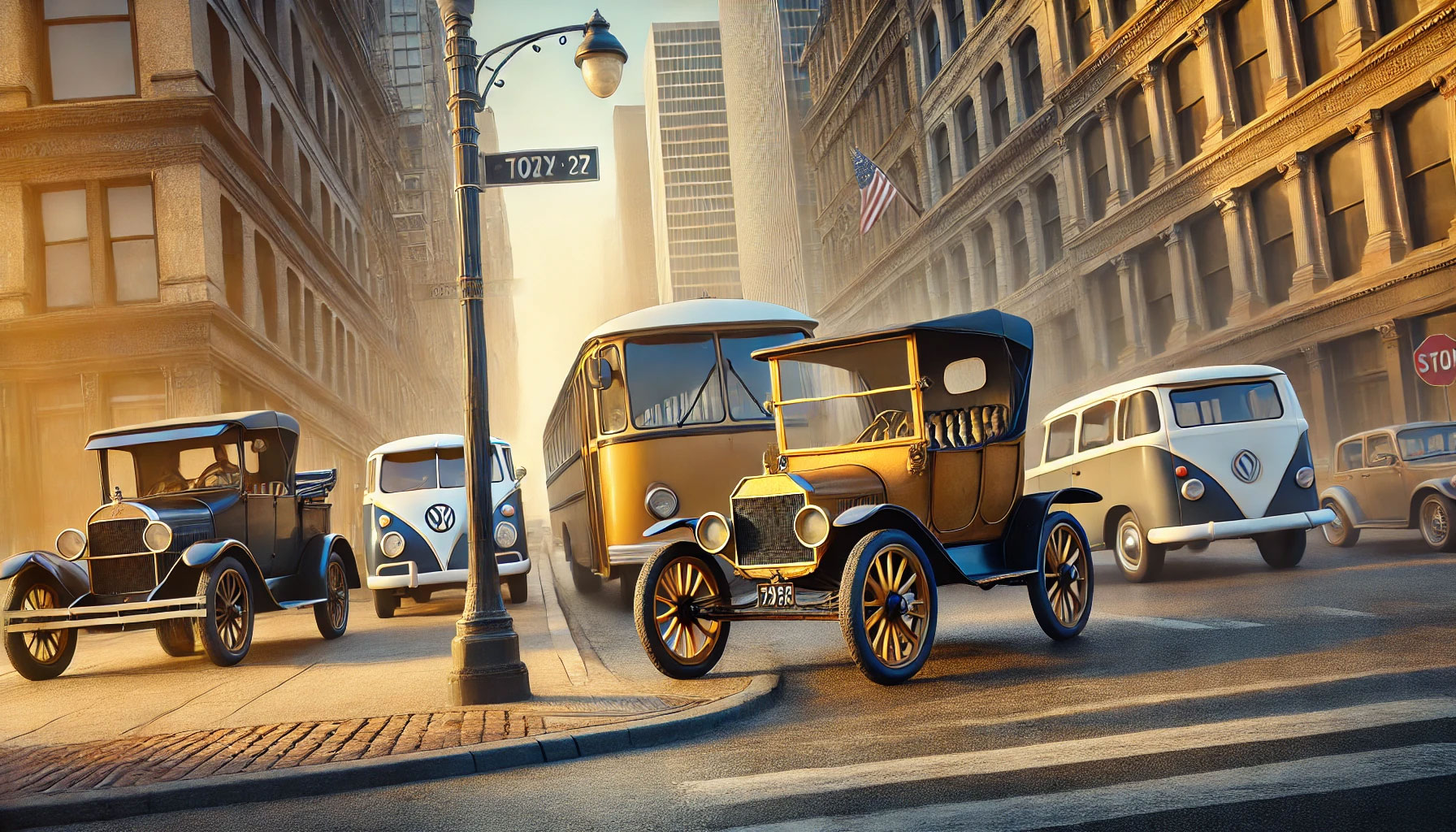
The descriptions of the game changers emphasize the historical significance, innovation, and lasting impact of each vehicle in their respective categories, illustrating how they transformed the automotive world.
Historical Game-Changers
Throughout automotive history, certain vehicles have not only excelled in performance or design — they have fundamentally redefined what cars could be. These models shifted consumer expectations, inspired new categories, and left permanent marks on global culture and engineering. This collection celebrates machines that didn’t simply follow the road — they carved their own path.
Off-road legends like the Jeep Wrangler, Land Rover Defender, and Ford Bronco forged reputations in rugged terrain, earning loyal followings through unmatched capability and adventure-ready engineering. Meanwhile, the Volkswagen Bus became the rolling symbol of freedom, counterculture, and personal expression in the 1960s and beyond.
Luxury and technology advanced dramatically thanks to the Mercedes-Benz S-Class, a flagship model known for pioneering innovations later adopted industry-wide. The Subaru Outback reshaped family transportation with car-based utility and all-weather confidence, paving the way for the crossover era. Compact brilliance arrived in the Mini Cooper, proving that small could be mighty and fun.
Electrification took its first mainstream leap with the Toyota Prius, a hybrid pioneer that sparked a global shift toward efficiency and sustainability. And on the racetrack, the Ford GT40 stunned the world by dethroning Ferrari at Le Mans. Finally, the Chevrolet Suburban endures as one of the industry’s longest-running nameplates, demonstrating continuous evolution and versatility.
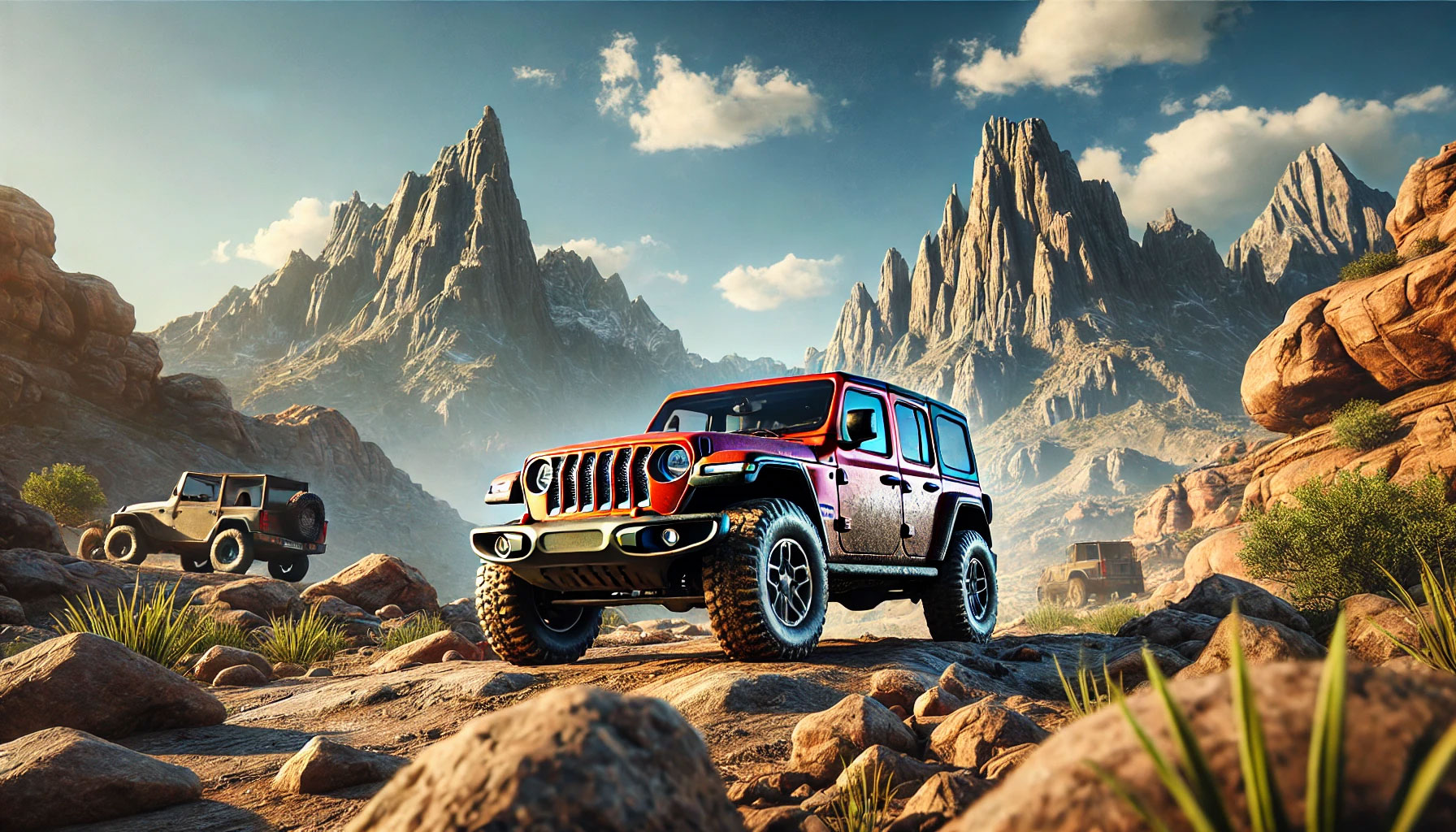
Jeep Wrangler
The Jeep Wrangler traces its origins to the military Willys MB, which played a crucial role during World War II. Introduced for civilian use in 1986, the Wrangler retained the ruggedness and off-road capability of its military predecessor. Known for its iconic seven-slot grille, removable doors, and fold-down windshield, the Wrangler is the go-to vehicle for adventurers and off-road enthusiasts. Its ability to tackle extreme terrain has made it a cultural symbol of freedom and resilience. Over the years, the Wrangler has evolved with modern features without sacrificing its rugged DNA.
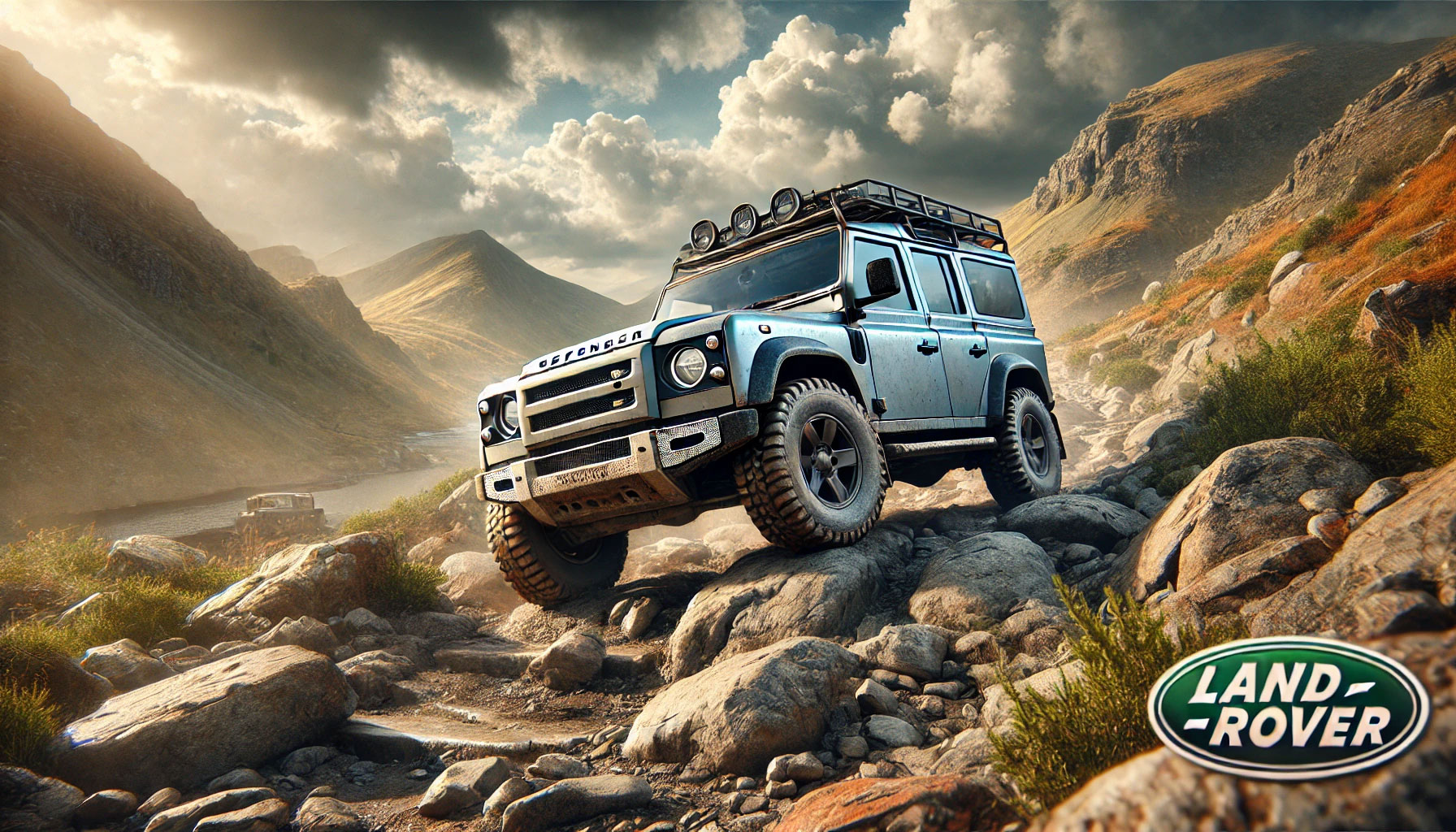
Land Rover Defender
The Land Rover Defender is a British off-road icon that has been synonymous with adventure and exploration since its introduction in 1948. Originally designed for agricultural and rural use, the Defender’s durability, simple mechanics, and go-anywhere capability made it a favorite among farmers, adventurers, and even military forces. Over the years, the Defender became a cultural icon, especially in remote and rugged regions around the world. After its original production ended in 2016, Land Rover revived the Defender in 2020 with a modernized design, ensuring that it continues to be a force in the off-road market.
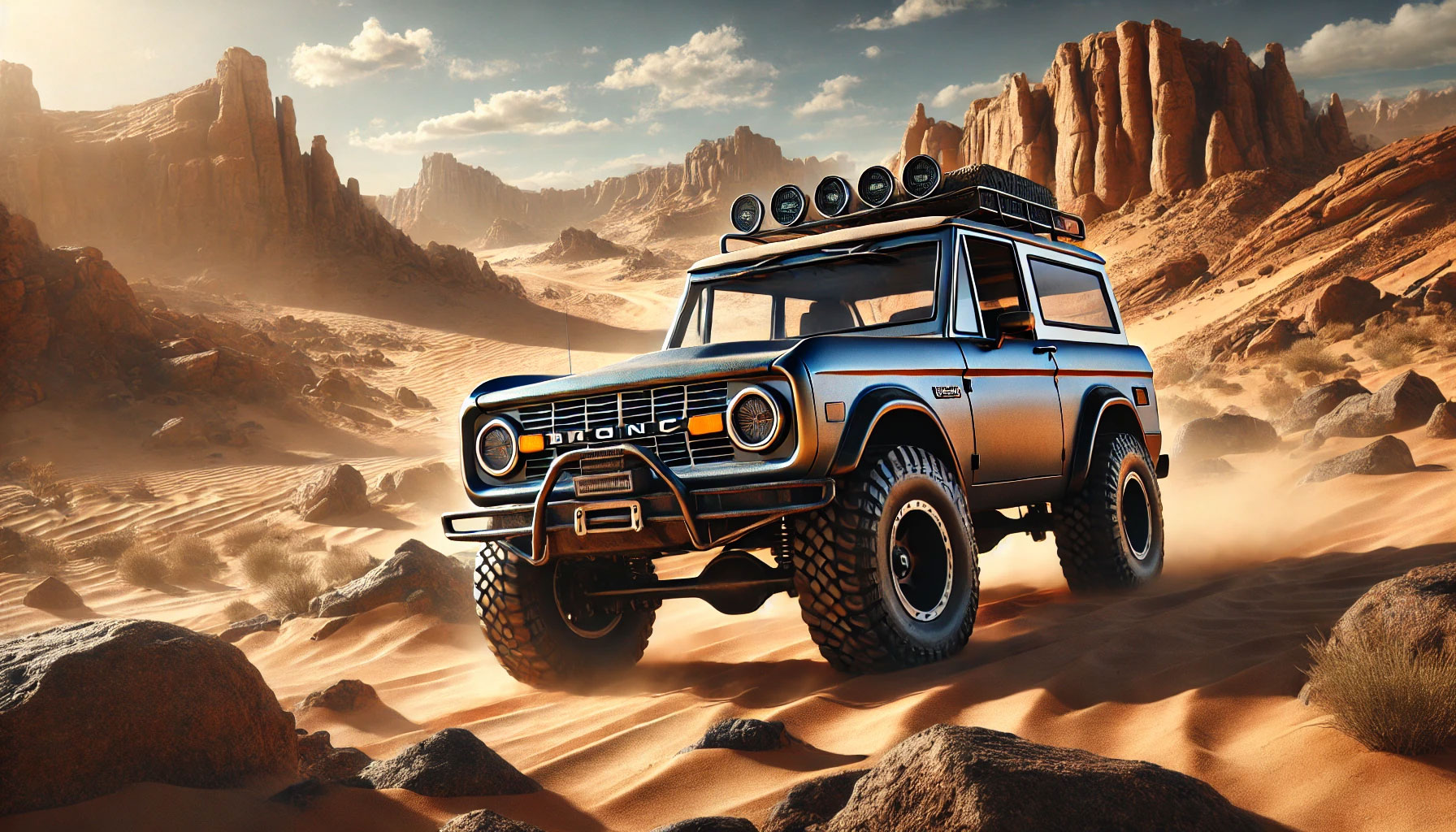
Ford Bronco
The Ford Bronco, first introduced in 1965, became a trailblazer in the SUV market, combining off-road capability with comfort for everyday driving. It was one of the first vehicles to popularize the idea of the recreational off-roader. The Bronco developed a cult following, thanks in part to its boxy design, removable roof, and rugged reputation. After a 25-year hiatus, the Bronco returned in 2020 with modern features and off-road prowess that has rekindled its legendary status. The Bronco’s comeback solidified its place as a true game-changer in the world of off-road SUVs.
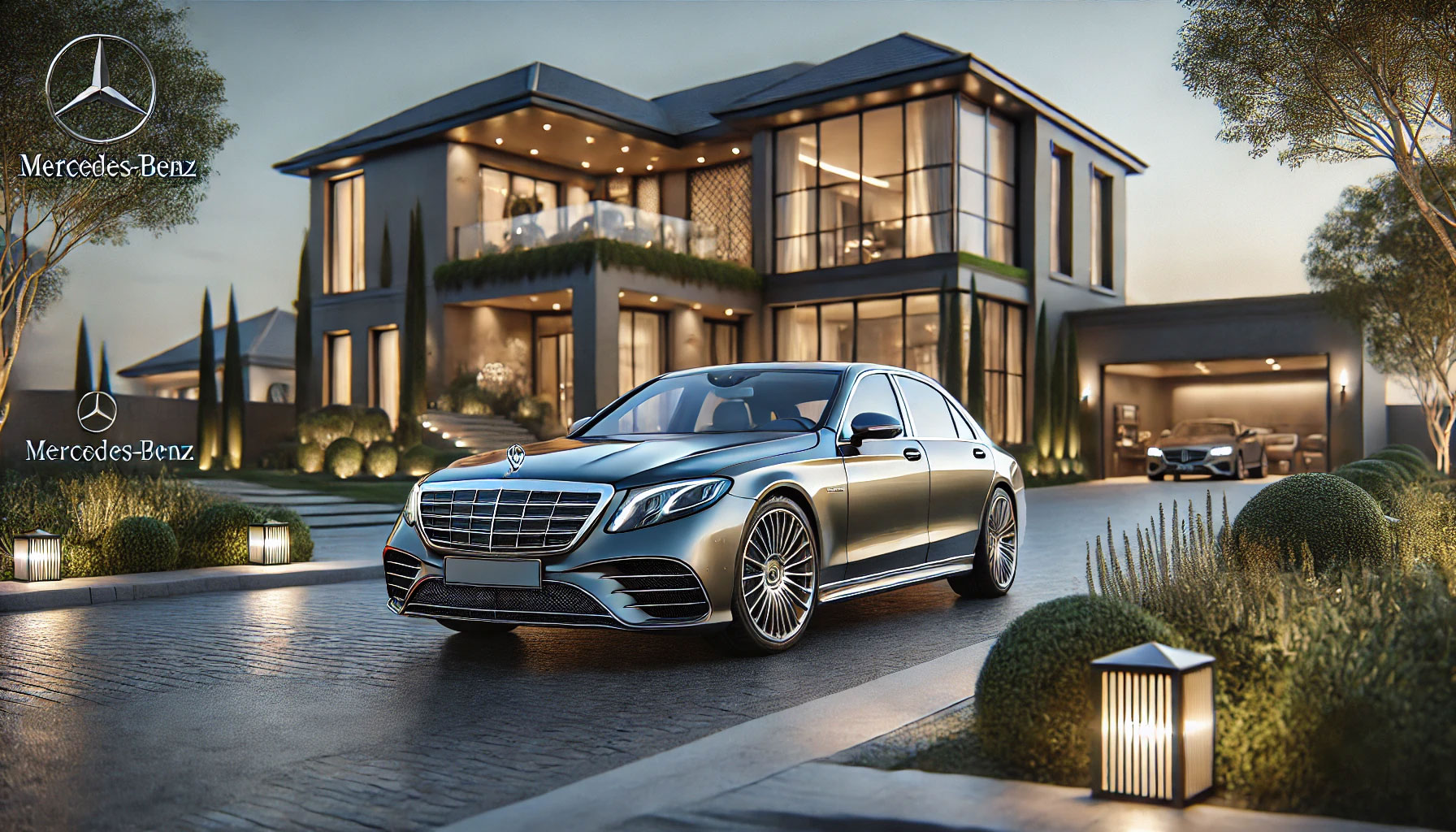
Mercedes-Benz S-Class
The Mercedes-Benz S-Class is the pinnacle of luxury and innovation in the automotive world. Since its debut in 1972, the S-Class has set the standard for luxury sedans, introducing groundbreaking technologies that often trickle down to other vehicles. Innovations like airbags, anti-lock brakes, and radar-guided cruise control were all first introduced on the S-Class. Known for its opulent interior, superior build quality, and smooth ride, the S-Class is a benchmark for luxury cars. It has maintained its position as the flagship model of Mercedes-Benz and continues to push the boundaries of automotive technology.

Volkswagen ID. Buzz (VW Bus Heritage)
The Volkswagen Bus, also known as the Type 2 or Microbus, became a cultural icon in the 1960s and 1970s, particularly within the counterculture and hippie movements. Introduced in 1950, the Bus was designed as a multi-purpose vehicle with simple mechanics and a spacious interior. Its versatility made it popular as a camper van, family hauler, and even a mobile workspace. The Bus’s distinct shape and cheerful personality made it an enduring symbol of freedom, community, and the open road.
While the beloved original remains a timeless classic, Volkswagen has revived its spirit for a new era with the all-electric ID. Buzz. Combining retro charm with modern EV technology, the ID. Buzz carries forward the Microbus legacy — proof that some legends don’t fade; they evolve.
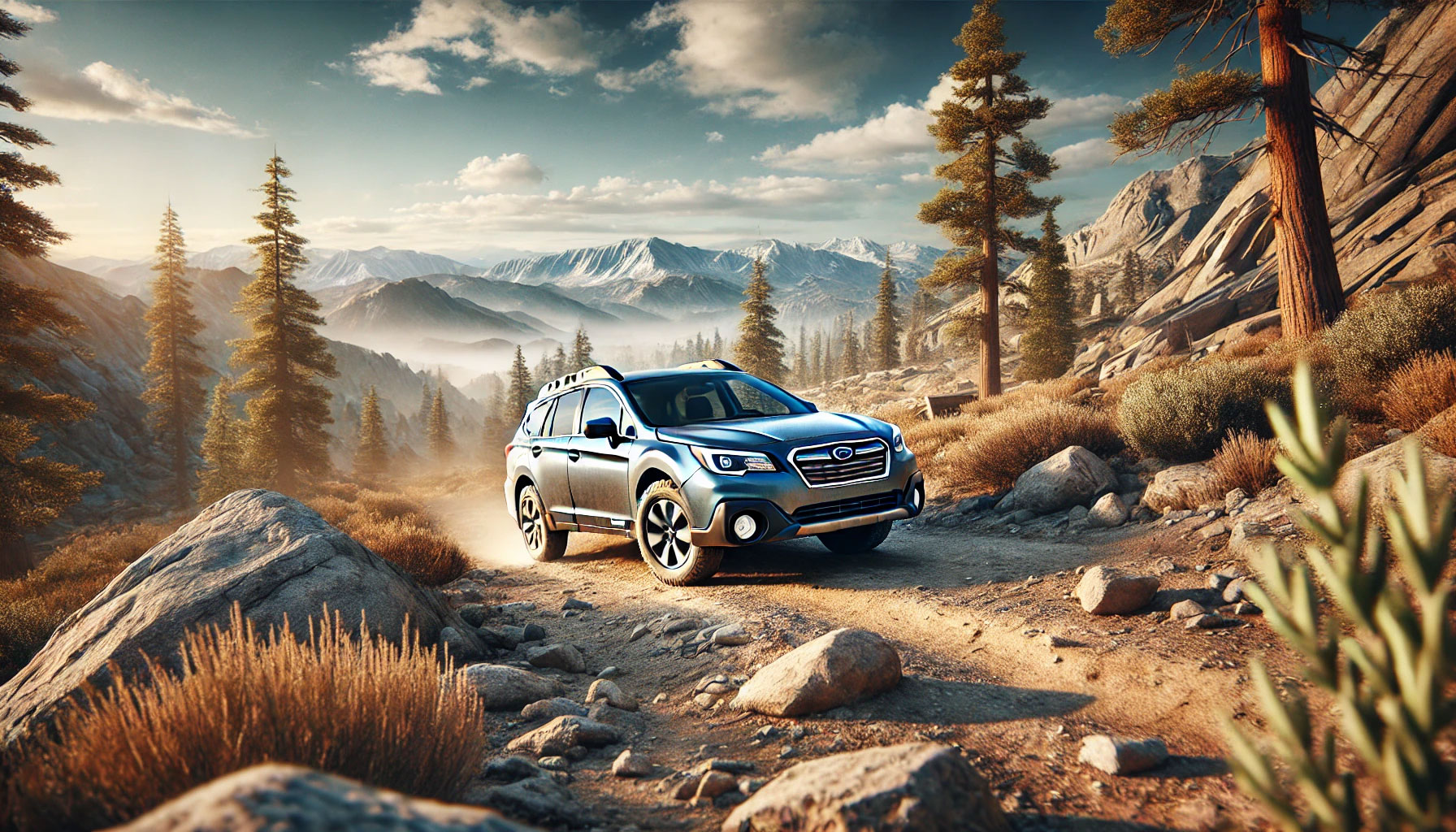
Subaru Outback
The Subaru Outback pioneered the crossover SUV market, combining the practicality of a station wagon with the off-road capability of an SUV. Introduced in 1994, the Outback was created to handle rough terrain while still offering the comfort, efficiency, and everyday usability of a passenger car. Its elevated ground clearance, durable construction, and Subaru’s legendary symmetrical all-wheel-drive system made it a favorite among outdoor explorers and families seeking confidence in all weather conditions.
The Outback helped cement Subaru’s reputation for safety, reliability, and rugged adventure, becoming one of the brand’s most successful and recognizable models. As crossovers became a dominant force in the market, the Outback stood as an early trailblazer — a vehicle that turned the idea of car-based utility into a global trend that continues to shape automotive design today.
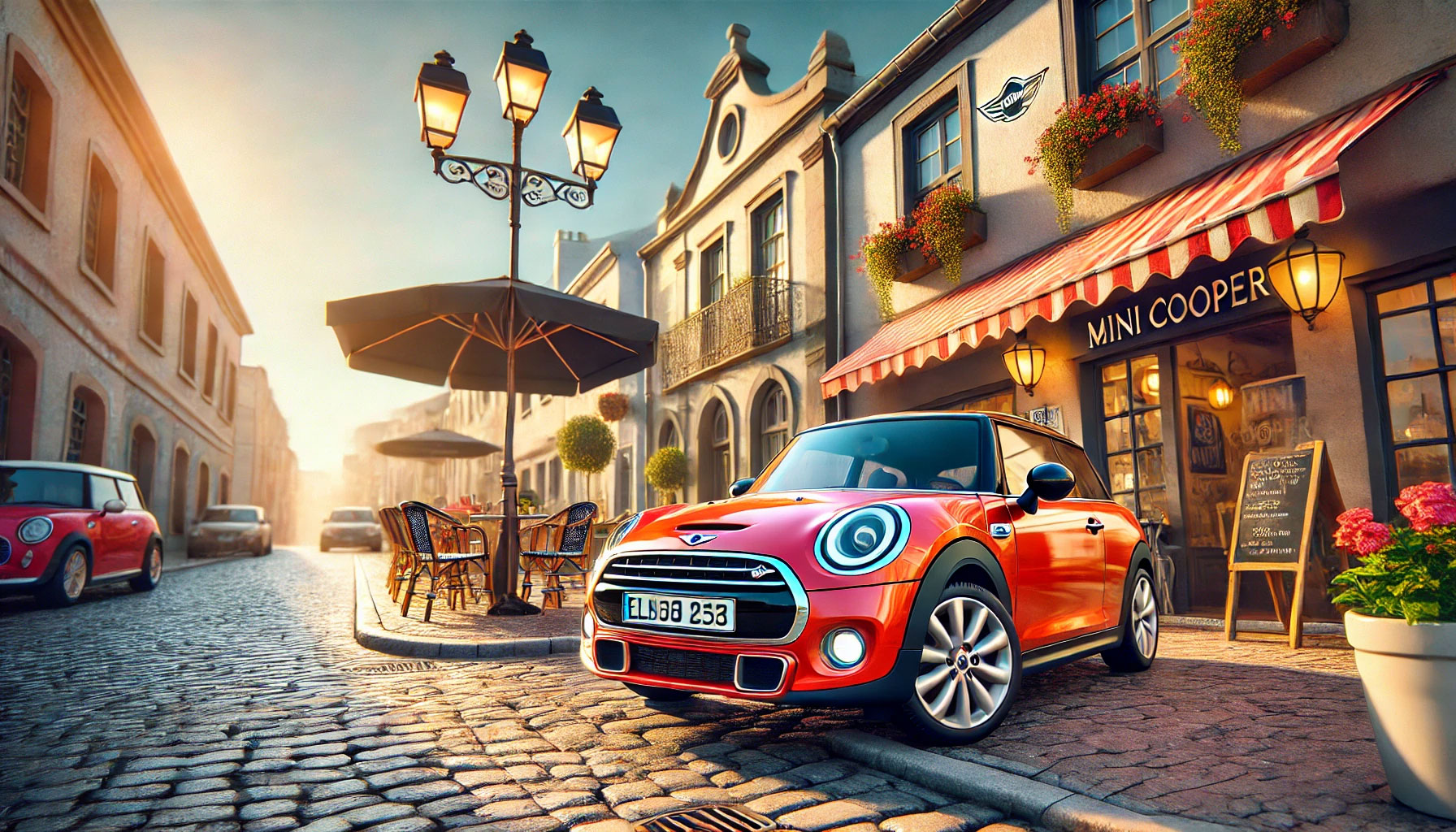
Mini Cooper
First launched in 1959, the Mini Cooper quickly became a symbol of British ingenuity and cultural flair. Designed by Sir Alec Issigonis, the Mini’s revolutionary transverse engine and front-wheel-drive setup maximized interior space while keeping exterior dimensions remarkably compact. This innovative engineering made the Mini incredibly maneuverable in crowded European cities and set a new standard for efficient urban mobility.
Beyond practicality, the Mini Cooper earned global fame for its spirited performance and motorsport success. Legendary victories at the Monte Carlo Rally showcased the car’s remarkable agility and racing pedigree, proving that big thrills can come in small packages. With its iconic styling, playful personality, and fun-to-drive character, the Mini Cooper has endured as a beloved automotive icon. Modern versions continue to celebrate the original formula — blending retro charm with modern performance and technology.
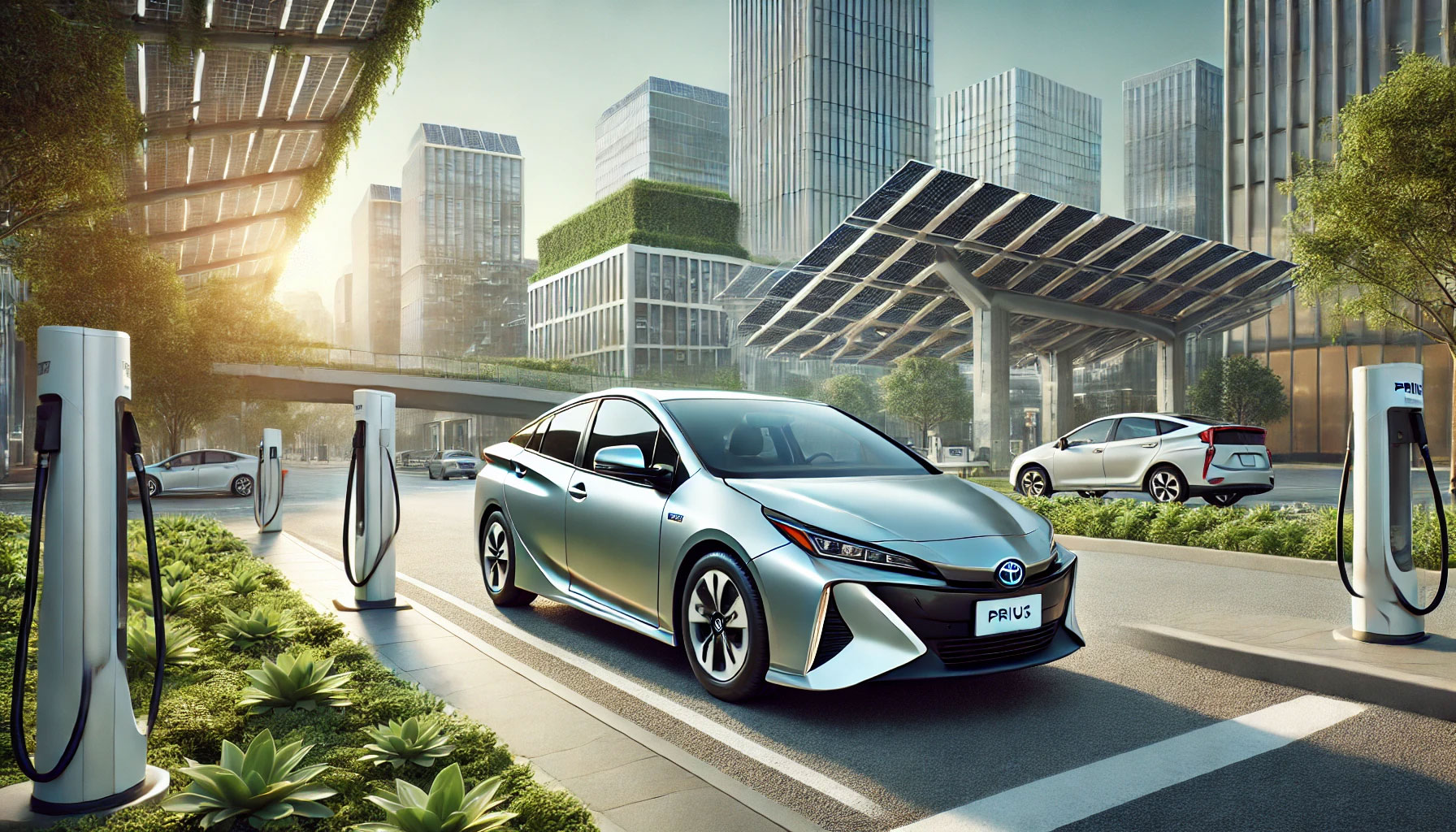
Toyota Prius
Introduced in Japan in 1997 and worldwide in 2000, the Toyota Prius was the first mass-produced hybrid vehicle and a genuine automotive milestone. By pairing a fuel-efficient gasoline engine with an electric motor, the Prius delivered unprecedented efficiency without sacrificing everyday usability. It quickly captured the attention of eco-conscious drivers seeking a practical way to reduce fuel consumption and emissions.
The Prius didn’t just sell well — it reshaped the industry. Its innovative hybrid technology proved that sustainable transportation could be affordable and reliable, inspiring a wave of hybrid and electric development across global automakers. Over the years, the Prius became a cultural symbol of environmental awareness and responsible driving. Today, its legacy continues as hybrids and EVs increasingly lead the way toward a more sustainable future for personal transportation.

Ford GT40
The Ford GT40 is one of the most legendary cars in motorsports history, created with a singular mission: defeat Ferrari at the 24 Hours of Le Mans. Developed in the 1960s after a failed partnership between Ford and Ferrari, the GT40 became a symbol of American determination and engineering prowess. With a powerful V8 engine and aerodynamic design, it was engineered to dominate endurance racing.
In 1966, the GT40 achieved its goal, famously sweeping the podium at Le Mans and going on to win the iconic race four consecutive times from 1966 to 1969. These victories broke Ferrari’s long-standing dominance and cemented the GT40 as a motorsport legend. Its legacy lives on through the modern Ford GT, which continues to embody the spirit of performance, innovation, and competitive excellence that defined the original.
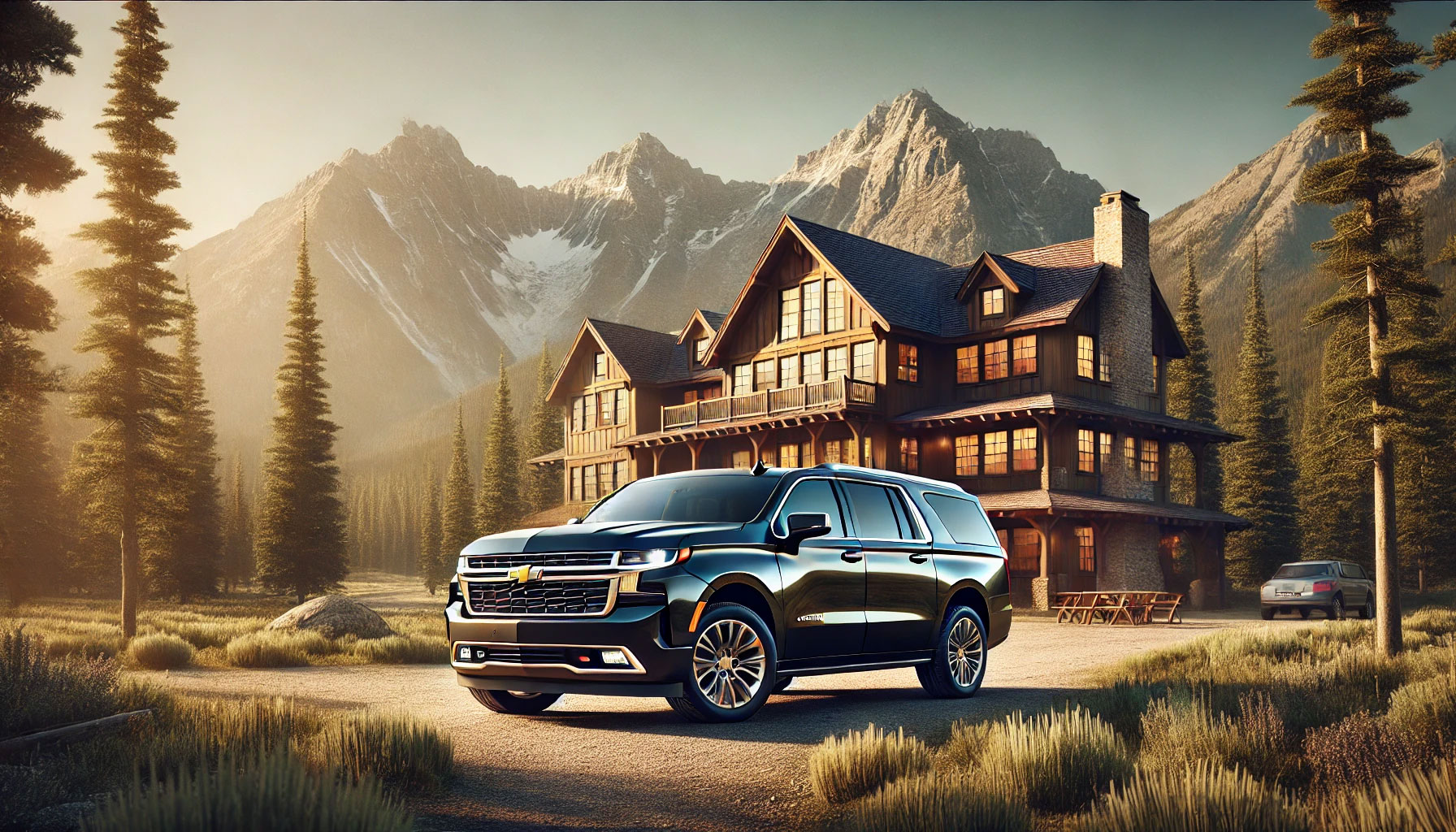
Chevrolet Suburban
The Chevrolet Suburban holds the distinction of being the longest-running nameplate in automotive history, first introduced in 1935. Originally designed as a truck-based station wagon, the Suburban quickly proved its value for families, businesses, and government fleets that needed a durable and capable vehicle with ample cargo and passenger space.
Over the decades, the Suburban evolved into one of the most popular full-size SUVs in the world, known for its commanding presence, strong towing ability, and unmatched versatility. Its spacious three-row interior and rugged body-on-frame construction have made it a favorite among large families, adventure-seekers, and even military and emergency services. The Suburban’s continued refinement and adaptability have cemented its reputation as a symbol of durability, utility, and American automotive ingenuity.
Affordable & Accessible
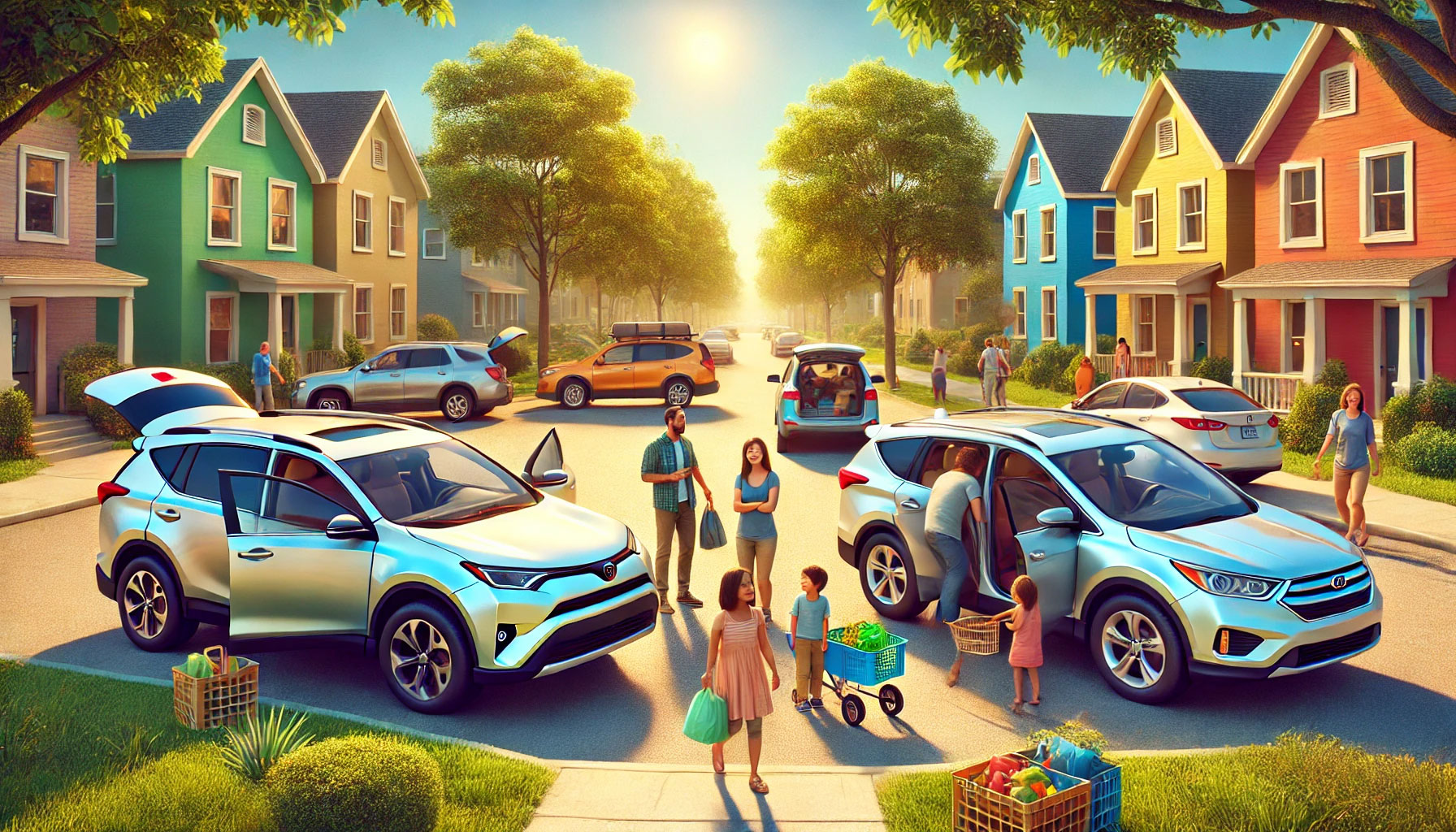
The Affordable and Accessible category celebrates the vehicles that opened the doors of mobility to millions by balancing practicality, comfort, and value. These cars and crossovers didn’t just sell well — they built trust. They became part of everyday life, helping families commute, young drivers gain independence, and adventurers explore the world without breaking the bank.
From rugged workhorses like the Toyota Hilux, proven across some of the toughest environments on Earth, to versatile family favorites such as the Honda CR-V and Toyota RAV4, this group highlights vehicles designed to meet real-world needs. These models emphasize reliability, fuel efficiency, and functionality, making them staples of driveways across the globe.
Compact sedans such as the Volkswagen Jetta, Nissan Altima, and Hyundai Elantra show that sensible transportation can still deliver comfort and refinement. Meanwhile, the Kia Soul redefined affordability with personality, offering quirky style and surprising space.
Performance and aspiration also have a place here — the Datsun 240Z proved sports-car excitement didn’t need a luxury price tag, while the Ford Escape brought SUV practicality to the everyday driver. And the Chrysler Minivan (Dodge Caravan) revolutionized family travel, forever changing how the world moves.
These vehicles demonstrate that accessibility isn’t about compromise — it’s about empowering everyone to go farther, explore more, and enjoy the journey.
Toyota Hilux
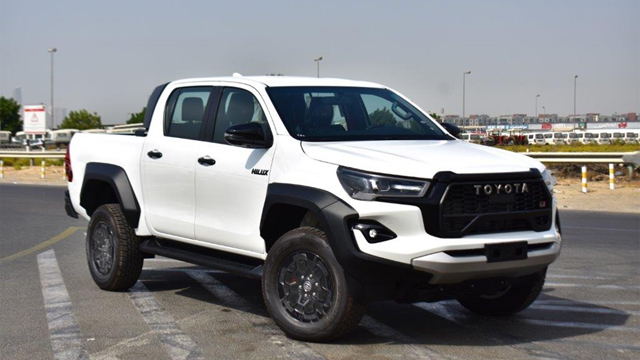
The Toyota Hilux is renowned for its indestructibility and has become a legend in the pickup truck world since its debut in 1968. Known for its rugged design, reliability, and off-road capabilities, the Hilux has been used in some of the toughest environments on Earth, from farms to conflict zones. Its affordability and durability make it a popular choice in markets across Africa, Asia, and South America.
The Hilux has also gained international fame thanks to its dramatic appearances in pop culture — most notably in Top Gear, where it famously survived extreme destruction tests, further cementing its reputation as one of the toughest vehicles ever built.
Honda CR-V
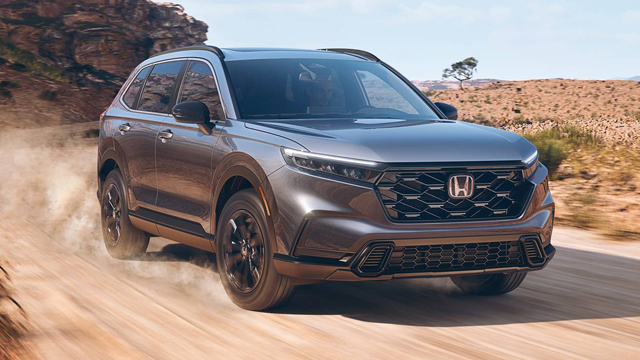
The Honda CR-V has been a staple in the compact SUV segment since its introduction in 1995, offering the practicality of an SUV with the comfort and drivability of a car. This winning formula helped the CR-V quickly gain widespread popularity among families, commuters, and adventure-seekers who needed versatility at an affordable price.
Known for its exceptional reliability, fuel efficiency, and roomy interior, the CR-V consistently ranks among the best-selling SUVs globally. Over the years, Honda has continuously refined the model, adding advanced safety systems, improved technology, and refined driving dynamics — allowing the CR-V to stay ahead of the compe
autosopedia's top 100 of all time
AutosOpedia Podcast (press play above)
Author: J H McIntosh
autosopedia's top 100 of all time
AutosOpedia Podcast (press play above)
Author: J H McIntosh
autosopedia's top 100 of all time
AutosOpedia Podcast (press play above)
Author: J H McIntosh
autosopedia's top 100 of all time
AutosOpedia Podcast (press play above)