
[ad_1]
The latest round of real-world fuel and emissions testing by the Australian Automobile Association (AAA) has put more vehicles in the spotlight, with all but one of the latest vehicles tested falling short of its claims.
In 2022, the Federal Government allocated $14 million to the AAA – the peak body for Australia’s state-based motoring clubs, such as the NRMA, RACV and RACQ – to conduct real-world testing on 200 vehicles previously only tested under lab conditions.
The AAA has now published the results of 70 vehicles it has tested, and a total of 11 out of 12 cars in its fifth round of testing exceeded their fuel consumption (litres per 100km) claims.
Only the MG HS was able to dip under its claimed fuel consumption, in this case consuming 8.8L/100km in the real-world test, compared to the 9.5L/100km figure from lab tests.
100s of new car deals are available through CarExpert right now. Get the experts on your side and score a great deal. Browse now.
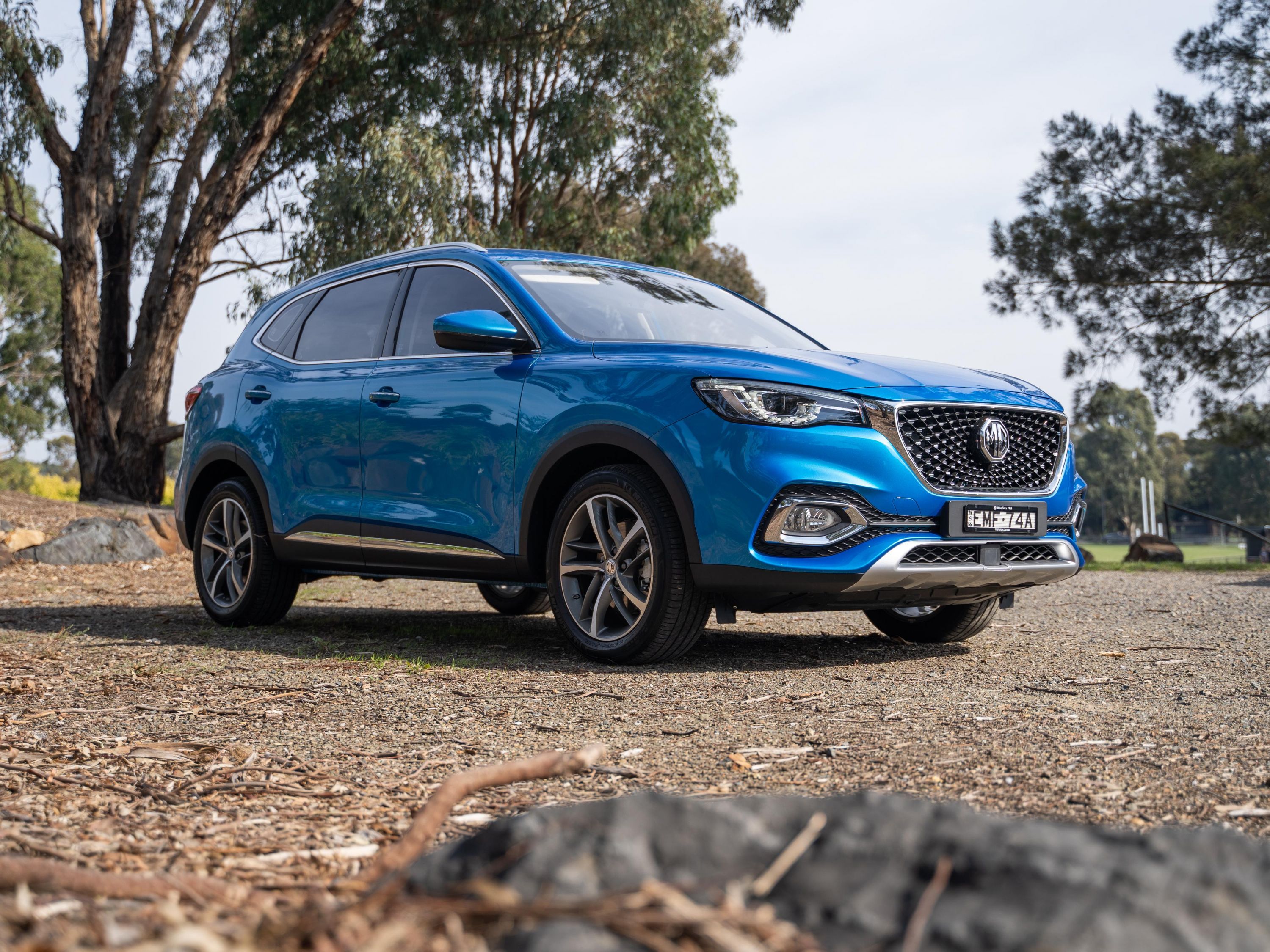
By contrast, the remaining 11 vehicles consumed between one and 32 per cent more fuel than lab test results, with the Chery Omoda 5 and GWM Haval Jolion Hybrid coming in with the largest gaps between the real-world test and their manufacturers’ claims.
The GWM Haval Jolion Hybrid also had the biggest gap between its maker’s claimed grams of carbon dioxide (CO2) emitted per kilometre and what the AAA found in its testing, nearly repeating the 32 per cent figure.
As in the fuel consumption test, only the MG HS came in below its claim, this time by almost seven per cent.
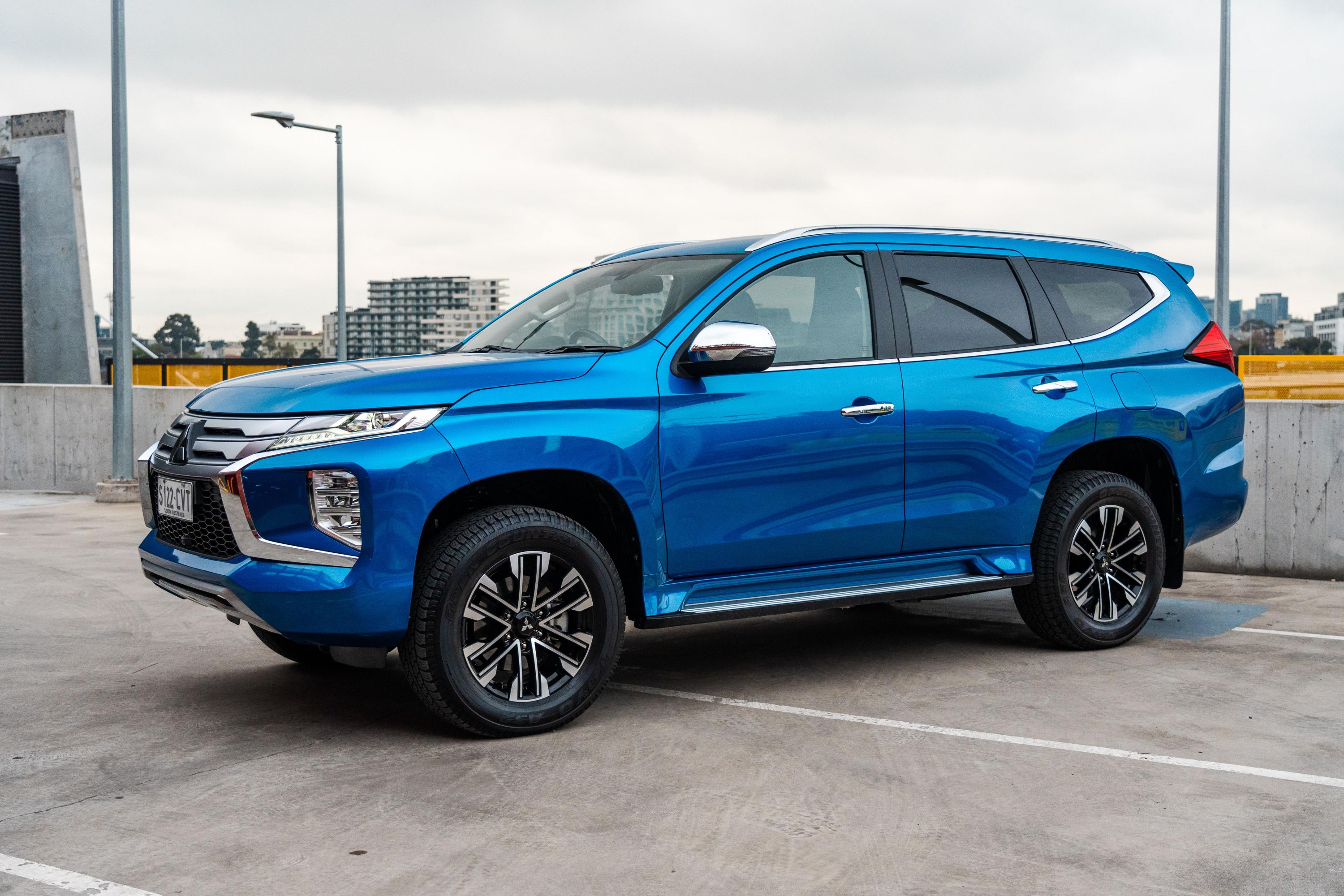
Continuing the theme of previous real-world testing rounds, the two turbo-diesel vehicles on test – the Isuzu MU-X and Mitsubishi Pajero Sport – produced more nitrogen oxide (NOx) emissions in testing than mandated, exceeding the limit of 180mg/km for diesel vehicles.
The MU-X was found to emit 372mg/km, while the Pajero Sport spat out 692mg/km – almost four times the limit, believed to be a record since the AAA began testing.
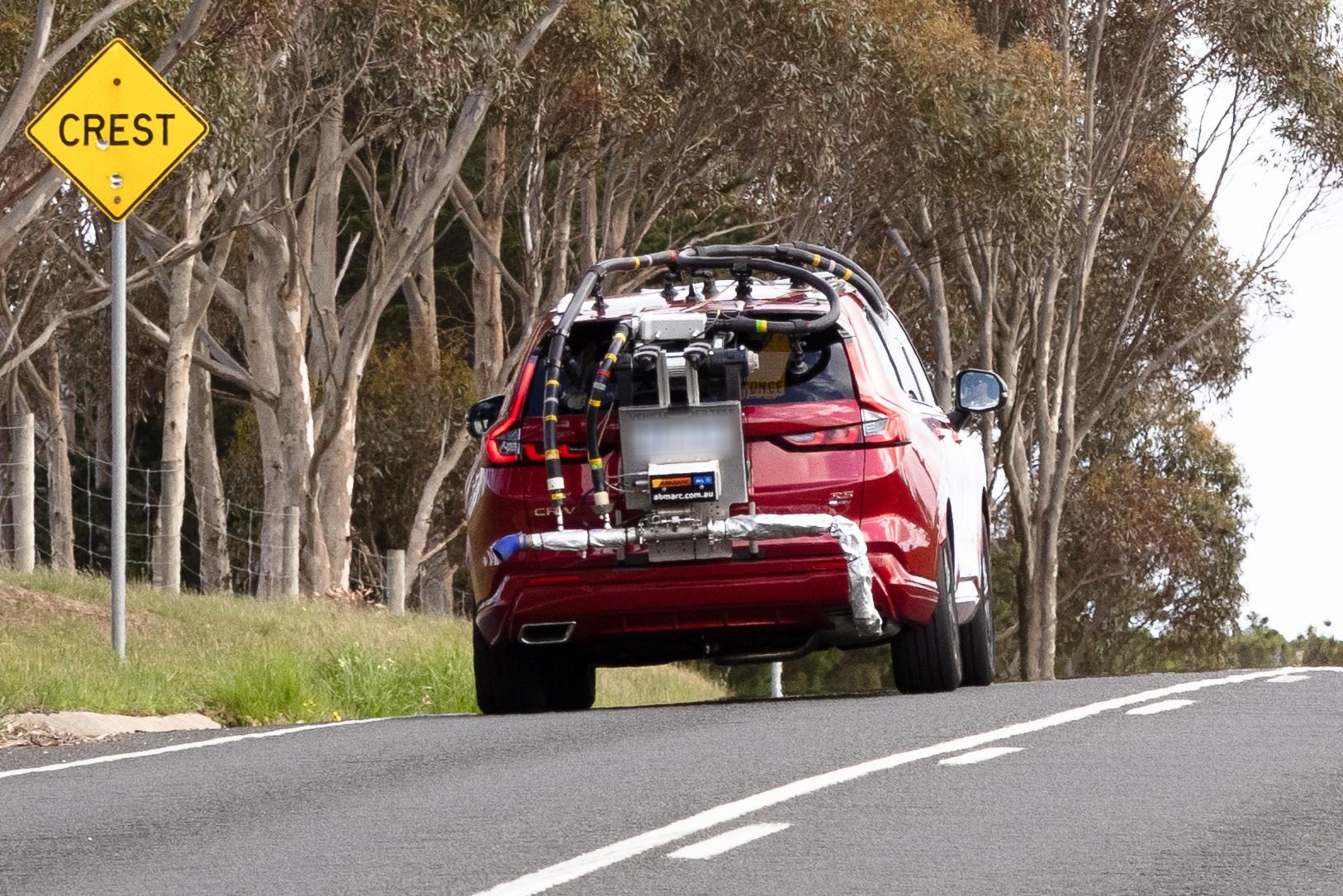
All of the AAA’s real-world road testing is conducted on a 93km loop in and around Geelong. Testing protocols are based on European Union legislation but developed for Australia with consultation between the peak group and local regulators and industry.
“Without real-world testing results, consumers and fleet buyers could find themselves buying a vehicle that is dirtier and has higher running costs than they might have expected,” said AAA Managing Director Michael Bradley.
Next year, the AAA will begin testing electric vehicles (EVs).
Below are the fuel consumption results from the latest round of the AAA’s real-world testing.
| Vehicle | Fuel type | Mandated lab test claim (L/100km) | AAA testing result (L/100km) | Disparity |
|---|---|---|---|---|
| Audi A3 | Petrol | 6.7 | 8.1 | +21% |
| Audi Q3 | Petrol | 8.2 | 8.3 | +1% |
| GWM Haval Jolion Hybrid | Petrol | 5.0 | 6.6 | +32% |
| Kia Seltos | Petrol | 7.4 | 8.3 | +12% |
| Chery Omoda 5 | Petrol | 6.9 | 9.1 | +32% |
| GWM Haval H6 | Petrol | 7.4 | 7.8 | +5% |
| Honda CR-V | Petrol | 7.1 | 8.1 | +14% |
| Honda CR-V Hybrid | Petrol | 5.5 | 6.2 | +12% |
| Mazda CX-5 | Petrol | 7.2 | 8.2 | +13% |
| MG HS | Petrol | 9.5 | 8.8 | -8% |
| Isuzu MU-X 4×2 | Diesel | 7.8 | 8.2 | +5% |
| Mitsubishi Pajero Sport | Diesel | 8.0 | 8.4 | +5% |
Here are the CO2 results from the AAA’s testing.
| Vehicle | Fuel type | Mandated lab test claim (g/km) | AAA testing result (g/km) | Disparity |
|---|---|---|---|---|
| Audi A3 | Petrol | 154 | 190 | +23.4% |
| Audi Q3 | Petrol | 187 | 194 | +3.7% |
| GWM Haval Jolion Hybrid | Petrol | 115 | 151 | +31.3% |
| Kia Seltos | Petrol | 175 | 190 | +8.6% |
| Chery Omoda 5 | Petrol | 164 | 208 | +26.8% |
| GWM Haval H6 | Petrol | 169 | 178 | +5.3% |
| Honda CR-V | Petrol | 162 | 184 | +13.6% |
| Honda CR-V Hybrid | Petrol | 125 | 140 | +12.0% |
| Mazda CX-5 | Petrol | 167 | 186 | +11.4% |
| MG HS | Petrol | 221 | 206 | -6.8% |
| Isuzu MU-X 4×2 | Diesel | 206 | 217 | +5.3% |
| Mitsubishi Pajero Sport | Diesel | 212 | 223 | +5.2% |
MORE: Real-world tests reveal the cars that are thirstier than they claim
MORE: The popular cars, SUVs and utes that can’t match their fuel economy claims
MORE: Real-world fuel use shows popular Australian new cars drastically exceed claims
MORE: Which SUVs don’t match their fuel economy stickers in the real world?
MORE: More realistic fuel efficiency testing now underway in Australia
[ad_2]
Source link